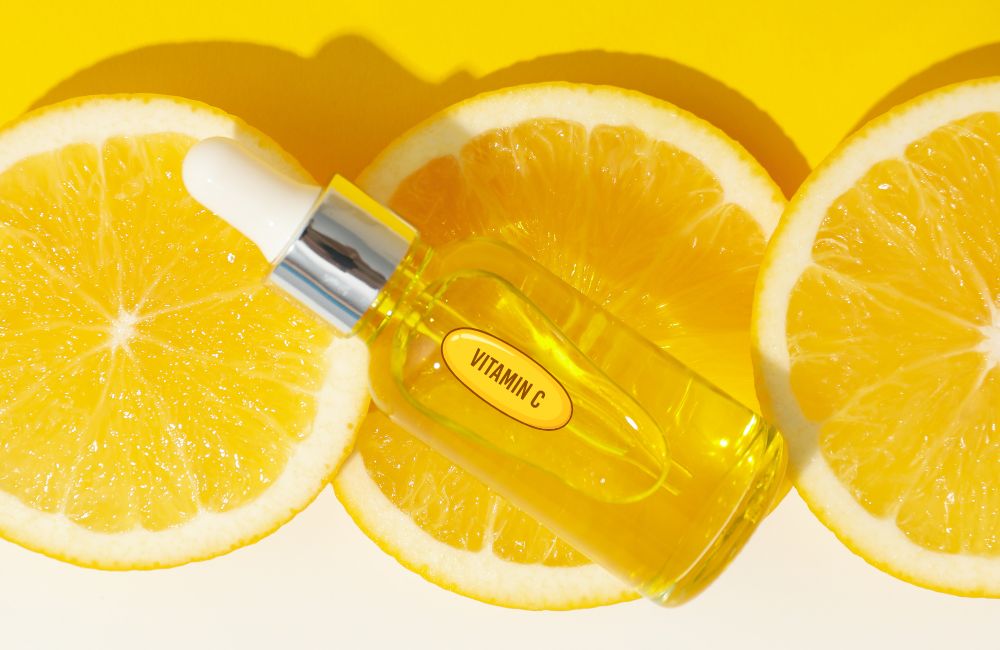
Vitamin C serum is one of the most popular active skincare products for dull, uneven skin or skin prone to dark spots. But which vitamin C serum is the best? Choosing one isn’t so simple, since different formulas, concentrations, and vitamin C derivatives have different properties. Here’s what to look for and how to find the Korean vitamin C serum that best suits your skin’s needs!
🌞 What is vitamin C serum good for, and why should you use it?
Vitamin C, also known as ascorbic acid, is a powerful antioxidant that can play an important role in your skincare routine. It’s no wonder you’ll find it in many Korean facial serums: it’s a versatile ingredient that can help boost skin radiance and improve uneven skin tone.
Vitamin C serum may be especially useful if:
- your facial skin looks dull or tired;
- dark spots appeared after sun exposure;
- brown discoloration remains after breakouts;
- you’d like to support your skin’s collagen production;
- you’re looking for an antioxidant active ingredient for your daily routine.
✨ The main benefits of vitamin C serum:
1. Helps even out skin tone
Vitamin C affects the processes involved in melanin production, so regular use may help fade certain dark spots and discoloration.
2. Boosts the skin’s natural radiance
If your facial skin looks dull, lackluster, or tired, the right vitamin C formula can help give it a fresher, more radiant appearance.
3. Provides antioxidant protection
Vitamin C helps neutralize free radicals, which can be caused by UV radiation and environmental pollution, among other things.
4. Supports collagen production
Vitamin C plays a role in collagen production, making it a popular ingredient in anti-aging skincare routines.
🤔 Which vitamin C serum should you choose? Discover the different forms!
When looking for a vitamin C serum, one of the most important things to consider is the form of the active ingredient it contains. Not all vitamin C serums are the same. Their stability, composition, and effects on the skin can differ.
Pure vitamin C (L-Ascorbic Acid)
L-ascorbic acid is the best-known and most widely studied form of vitamin C. It’s a powerful antioxidant that, when properly formulated, can help fade dark spots and boost skin radiance. However, it’s a more sensitive ingredient: exposure to light, air, and heat can make it oxidize more easily. Higher-concentration formulas may cause irritation or a stinging sensation for some people.
Who is it recommended for?
For those who have already used vitamin C products and would like to try a more intensive formula. If you have sensitive skin, it’s worth choosing carefully.
Vitamin C derivatives
You may also come across more stable vitamin C derivatives in Korean cosmetics. For example:
- 3-O-Ethyl Ascorbic Acid: a more stable vitamin C derivative that works well in both oil and water phases.
- Sodium Ascorbyl Phosphate (SAP): a water-soluble derivative often used to support skin radiance.
- Ascorbyl Glucoside: a more stable, water-soluble vitamin C derivative that gradually converts into active vitamin C in the skin.
- Magnesium Ascorbyl Phosphate (MAP): a water-soluble form that is also used in hydrating and radiance-boosting formulas.
These derivatives have different levels of stability and different properties. It’s not possible to say in general that they’re all more effective or gentler than pure vitamin C, since the overall formula and concentration also matter.
Who is it recommended for?
For beginners and those who want to add vitamin C to their daily routine but find high concentrations of pure ascorbic acid too intense.
🟡 What percentage of vitamin C serum should you choose?
You’ll often see labels such as 5%, 10%, 15%, 20%, or even 23% vitamin C on products.
But is a higher percentage always better?
Not necessarily!
Concentration alone doesn’t indicate how suitable a serum will be for your skin. The form of vitamin C, formula stability, other ingredients, and your skin’s sensitivity also matter.
Lower concentration
If you’re new to vitamin C skincare or have more sensitive skin, it’s worth starting with a product that has a lower concentration or contains a stable vitamin C derivative.
Medium concentration
Formulas containing around 10–15% pure vitamin C may be a good option for those who have already used this type of product and tolerate it well.
High concentration
Serums containing over 20% pure ascorbic acid have more intensive formulas. They don’t necessarily deliver better results and are more likely to cause irritation in skin that is prone to it.
Important: This guide primarily applies to pure L-ascorbic acid. The percentages of vitamin C derivatives cannot be directly compared with the concentration of L-ascorbic acid.
💛 Which vitamin C serum is best for your skin type?
When choosing the right product, consider not only the active ingredient concentration but also your skin’s current condition and needs.
Vitamin C serum for sensitive skin
If your skin reddens, feels tight, or becomes irritated easily, a high-concentration vitamin C product may not be the best choice. Look for a formula containing a more stable vitamin C derivative and soothing ingredients.
For example, look for the following ingredients:
- Centella Asiatica: may help soothe sensitive skin.
- Panthenol: supports the proper functioning of the skin barrier.
- Allantoin: known for its skin-soothing properties.
- Hyaluronic acid: helps maintain skin hydration.
If you have sensitive skin, start by using it 2-3 times a week and watch how your skin responds. Stop using it if irritation persists.
Vitamin C Serum for Dark Spots
Sunspots, hormonally induced pigmentation, and brown marks left behind by acne are a concern for many people. Vitamin C can help improve uneven skin tone, making it a good addition to a skincare routine designed to target dark spots. If your specific goal is to fade dark spots, look for a formula that combines vitamin C with other ingredients that help even out skin tone, such as niacinamide or tranexamic acid.
You can read more about this topic in our earlier article: Which Korean ingredient is most effective against dark spots?
Vitamin C Serum for Dry Skin
If you have dry skin, it’s worth choosing a vitamin C serum that also contains hydrating ingredients. Hyaluronic acid, glycerin, or panthenol can help leave your skin not only more radiant, but also more comfortable and hydrated. Always apply a suitable moisturizer after the serum.
Vitamin C Serum for Oily and Combination Skin
Lightweight, fast-absorbing serums can be especially practical if your skin is prone to excess oil production. It’s worth choosing a formula that doesn’t leave your skin feeling uncomfortably heavy or sticky. Vitamin C products combined with niacinamide may also be an interesting choice, as the two ingredients support a more even-looking complexion in different ways.
5 Korean Vitamin C Serums Worth Discovering
You’ll find many different vitamin C formulas in Korean skincare. Some contain higher concentrations of pure vitamin C, while others are serums with gentler formulas or several complementary ingredients.
Here are a few products from the K-Beauty For You range!
1. COSRX Advanced The Vitamin C 23 Serum
If you’re looking for a serum containing a higher concentration of pure vitamin C, the COSRX Advanced The Vitamin C 23 Serum may be an interesting choice. The formula contains 23% L-ascorbic acid, so it’s primarily worth considering if you already have experience with vitamin C skincare. Because of its high concentration, we recommend introducing it gradually, especially if you haven’t used a similar product before.
2. Beauty of Joseon Light On Serum – Centella + Vita C
The Beauty of Joseon Light On Serum stands out because it contains Centella Asiatica alongside vitamin C. This combination may appeal to those who value soothing the skin as well as boosting radiance. It may be a good choice if you want to consider the whole formula rather than choosing a serum based solely on concentration.
3. Dr. Althea Gentle Vitamin C Serum
As its name suggests, the Dr. Althea Gentle Vitamin C Serum may interest those looking for gentler vitamin C formulas. If you’re just starting to explore vitamin C skincare, consider adding this product to your shortlist. However, if you have sensitive skin, introduce even a formula described as gentle gradually.
4. PURITO Pure Vitamin C Serum
The PURITO Pure Vitamin C Serum is also worth considering if you’re looking for a vitamin C serum to add to your daily skincare routine. When choosing this product, check the full INCI list, the form of vitamin C, and the product instructions to make sure it meets your skin’s needs.
5. COS DE BAHA Vitamin C 15 Serum
The COS DE BAHA Vitamin C 15 Serum is listed in our range as a 15% vitamin C serum. It may be of interest to those looking for a vitamin C product based specifically on its concentration. If you’re new to this or have sensitive skin, it’s still worth introducing the 15% formula gradually.
Not sure which one to choose?
Browse our full range and compare the different Korean formulas: Korean Vitamin C Serums – choose the right one for your skin!
☝ How to use vitamin C serum correctly?
In addition to choosing the right product, how you use it is also important. Vitamin C serum can generally be used in the morning or evening, following the instructions for the specific formula.
In your morning routine:
- Cleanse your face.
- Toner or hydrating essence.
- Vitamin C serum.
- Moisturizer.
- Sunscreen with at least SPF 30, preferably SPF 50.
Vitamin C and sunscreen can complement each other well: antioxidant support and adequate UV protection can together play an important role in a routine aimed at preventing skin aging.
Remember, vitamin C does not replace sunscreen!
If you'd like to learn more about how to incorporate this ingredient into your daily skincare routine, read our previous guide: Vitamin C in Korean skincare – what is it good for and how should you use it?
Which active ingredients can you combine with vitamin C serum?
Vitamin C can also be used with many other popular skincare ingredients, but it's important to keep your overall routine balanced.
Vitamin C and niacinamide
Many people used to think that vitamin C and niacinamide couldn't be used together. However, modern cosmetic formulas don't generally prohibit combining the two ingredients. In fact, they can complement each other well: alongside vitamin C's antioxidant properties, niacinamide can help support the skin barrier and promote a more even skin tone.
If you'd like to learn more about combining the two ingredients, we also recommend this article: Can niacinamide and vitamin C be used together?
Vitamin C and hyaluronic acid
Hyaluronic acid and vitamin C can complement each other well in a skincare routine. While vitamin C is popular mainly for its antioxidant and radiance-boosting properties, hyaluronic acid helps maintain the skin's hydration.
Vitamin C and retinol or retinal
Both active ingredients are popular in anti-aging routines, but you don't necessarily need to use them at the same time. If you're just starting to use retinoids, it's a good idea to use the two ingredients at different times of day or on different days, so you can more easily monitor how your skin reacts.
How should you store vitamin C serum?
One characteristic of vitamin C is that certain forms can be sensitive to light, air, and heat. Improper storage can cause the formula to oxidize, which may also change its color.
A few simple rules worth keeping in mind:
- Keep the product in its original packaging.
- Always close it carefully after use.
- Do not store in direct sunlight or in a warm place.
- Follow the manufacturer's storage instructions and the period after opening during which the product can be used.
If the product's color, texture, or smell changes significantly, check the manufacturer's instructions and stop using it if you notice signs that it has spoiled.
❓ Frequently asked questions about vitamin C serum
Which vitamin C serum is best for beginners?
As a beginner, it's best to start with a formula containing a lower concentration or a stable vitamin C derivative. Don't look for the highest percentage; choose a product your skin is likely to tolerate well.
Can you use vitamin C serum every day?
Yes, many vitamin C serums are made for daily use. However, start by using it 2-3 times a week, then gradually increase the frequency if your skin tolerates it well.
When should you use vitamin C serum, morning or evening?
Either time of day can work, depending on the product's formula and directions for use. Using it in the morning can be especially practical as an antioxidant, layered under sunscreen.
Can vitamin C serum help with post-acne marks?
Vitamin C may help improve brown marks left after acne and uneven skin tone. Red, post-inflammatory marks may have a different cause, so the same solution won't work for every type of discoloration.
How long does it take to see results from vitamin C serum?
This depends on the formula, concentration, condition of your skin, and how regularly you use it. You may notice a difference in radiance sooner, while fading dark spots generally takes several weeks or even a few months of consistent use.
Can you use vitamin C serum with retinol?
Combining the two ingredients is not generally forbidden, but if you have sensitive skin, it's best to use them at different times of day or on different days. This can reduce the risk of irritation from using too many active ingredients at once.
Summary: how to find the best vitamin C serum for you!
The best vitamin C serum isn't necessarily the one with the highest concentration of the active ingredient. It's much more important that the formula meets your skin's needs, is well tolerated, and is one you can use regularly. If your skin is dull, uneven in tone, or prone to dark spots, vitamin C can be a great addition to your daily skincare routine. Start with a formula that suits your skin's needs, introduce it gradually, and don't forget daily sun protection!
Discover K-Beauty For You's Korean vitamin C serum selection, and find the glow-boosting formula that suits your skin!