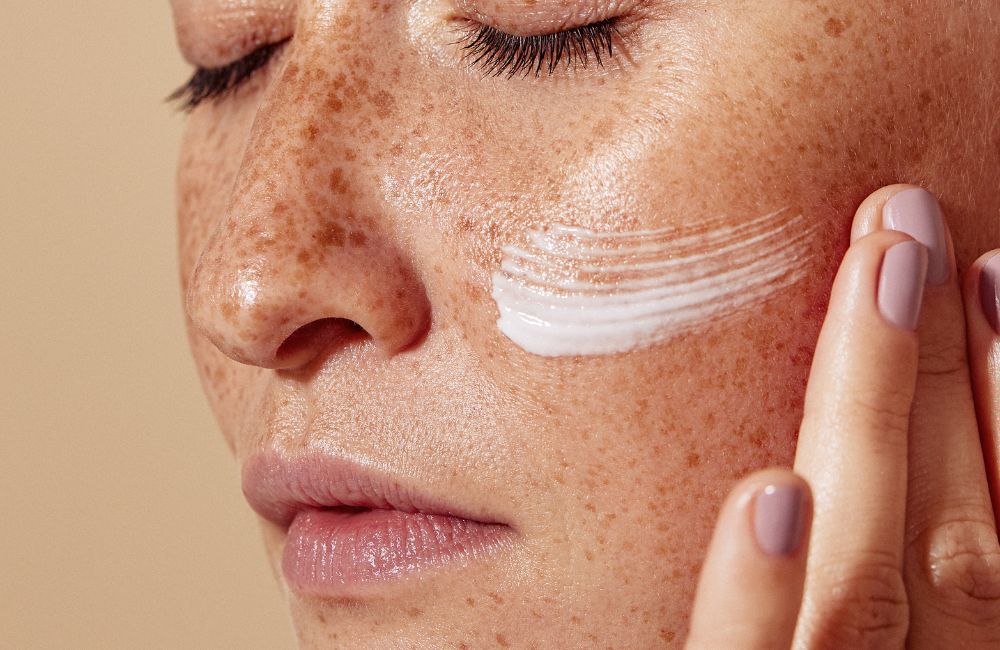
The small brown spots visible in the mirror, uneven skin tone, or darker marks left after pimples are familiar to many people. But are all pigmentation spots the same?
No.
Several different processes can underlie pigmentation spots, so it matters whether you are dealing with sun-induced discoloration, melasma, or, for example, a spot left behind after previous inflammation.
The good news is that with the right skincare routine, you can do a lot to make your skin tone appear more even. The key, however, is not a single “miracle serum,” but consistent sun protection, the right active ingredients, and a patient, gentle routine.
Let’s look at what you should know about pigmentation spots on the face and which Korean skincare ingredients are worth looking for!
What causes pigmentation spots to appear?
The color of the skin is determined, among other things, by the amount and distribution of a pigment called melanin.
If more melanin is produced or accumulates in certain areas, darker spots may appear on the skin. This is called hyperpigmentation.
Several factors may play a role in the development of pigmentation:
- UV radiation,
- visible light,
- hormonal changes,
- skin inflammation,
- inflammation left behind after pimples,
- skin injuries or irritation,
- genetic predisposition,
- age-related changes.
Sunlight is a particularly important factor, so the first step in a routine for pigmentation spots is not a serum, but daily sun protection.
According to the literature, in addition to UV radiation, visible light can also worsen certain pigmentation problems, such as melasma and post-inflammatory hyperpigmentation.
Not all pigmentation spots are the same
Before choosing products for pigmentation spots, it is worth understanding what type of discoloration you may be dealing with.
Brown spots left after pimples
If a darker spot remains on the skin after a pimple or other inflammation, it is often post-inflammatory hyperpigmentation, or PIH.
In this case, the inflammation itself has already subsided, but the darker discoloration may remain visible on the skin for a long time.
PIH can be particularly common after acne, and according to the literature, controlling inflammation and using sun protection are important parts of prevention and treatment.
So, if you regularly squeeze your pimples, you may increase not only the risk of inflammation and scarring, but also the risk of dark spots developing later.
Melasma
Melasma generally appears as larger, more irregular, brownish patches, often on the face.
It is most commonly visible on the forehead, cheeks, around the nose, or above the upper lip, and often appears symmetrically.
Melasma is a complex pigmentation problem in which hormonal and environmental factors, among others, may play a role.
That is why consistent sun protection is especially important in the case of melasma, and if the pigmentation is pronounced or worsening, it is worth seeking help from a dermatologist.
Sun-induced brown spots
Over time, UV radiation can cause so-called sun-induced dark spots to appear.
They often appear as smaller, well-defined brown spots on areas regularly exposed to sunlight – such as the face, backs of the hands, or décolletage.
The same applies here: alongside efforts to fade existing dark spots, preventing further pigmentation is at least as important.
What can you do about dark spots?
Treating dark spots generally does not happen overnight.
The best strategy consists of several steps:
1. Protect your skin from sun exposure.
2. Use active ingredients of interest for pigmentation.
3. Do not over-irritate your skin.
4. Be consistent.
5. Give your skin time.
Research on hyperpigmentation has examined various topical active ingredients, including retinoids, niacinamide, different acids, and other ingredients targeting pigmentation. The strength of the evidence varies depending on the active ingredient and the type of pigmentation.
Let’s look at the most important ones!
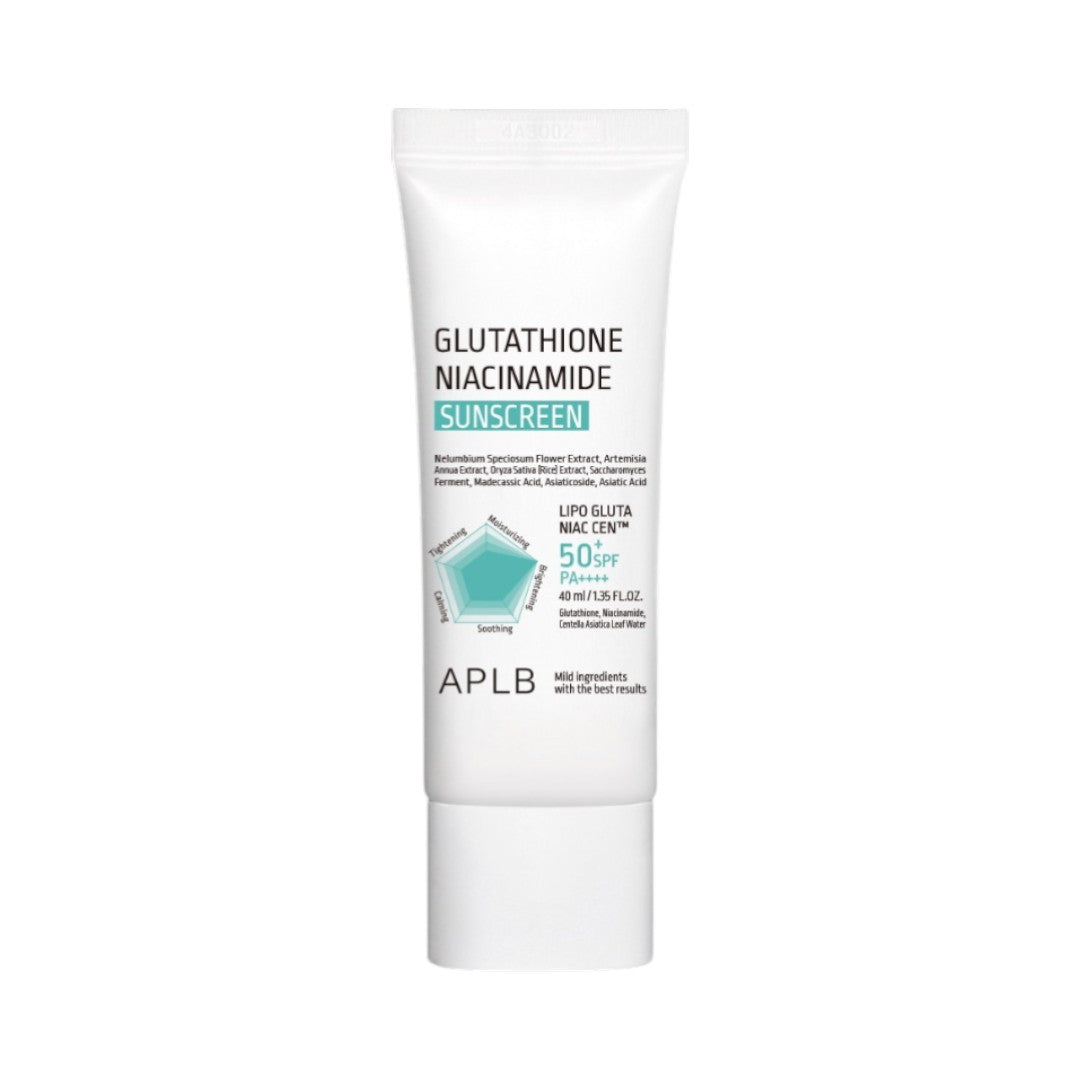
1. Sunscreen – the most important step in a routine for dark spots
If you struggle with dark spots, sunscreen is not an optional extra.
This is the foundation.
It does not matter if you use niacinamide, vitamin C, or a retinoid if your skin is regularly exposed to UV radiation without adequate protection.
According to research, broad-spectrum sun protection is an important part of treating and controlling melasma and post-inflammatory hyperpigmentation.
That is why, in the case of dark spots, it is worth:
- using sunscreen every morning,
- applying an adequate amount,
- reapplying during extended periods outdoors,
- protecting your skin with a hat or shade in strong sunlight.
And yes: in winter too.
UV radiation is not limited to summer, so daily sun protection should be part of your routine all year round.
[LINK – „Koreai fényvédők – Hogyan válaszd ki a megfelelőt?”]
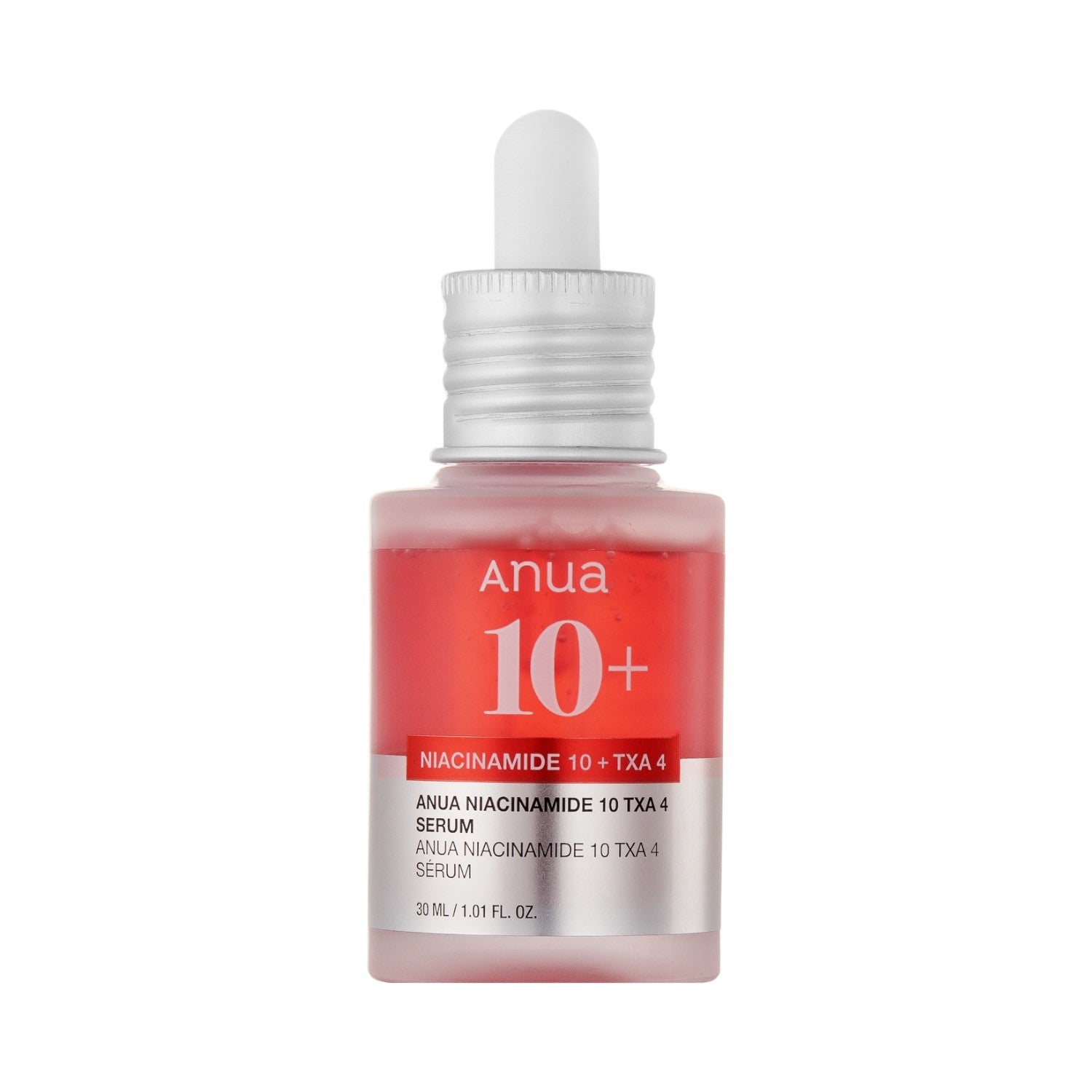
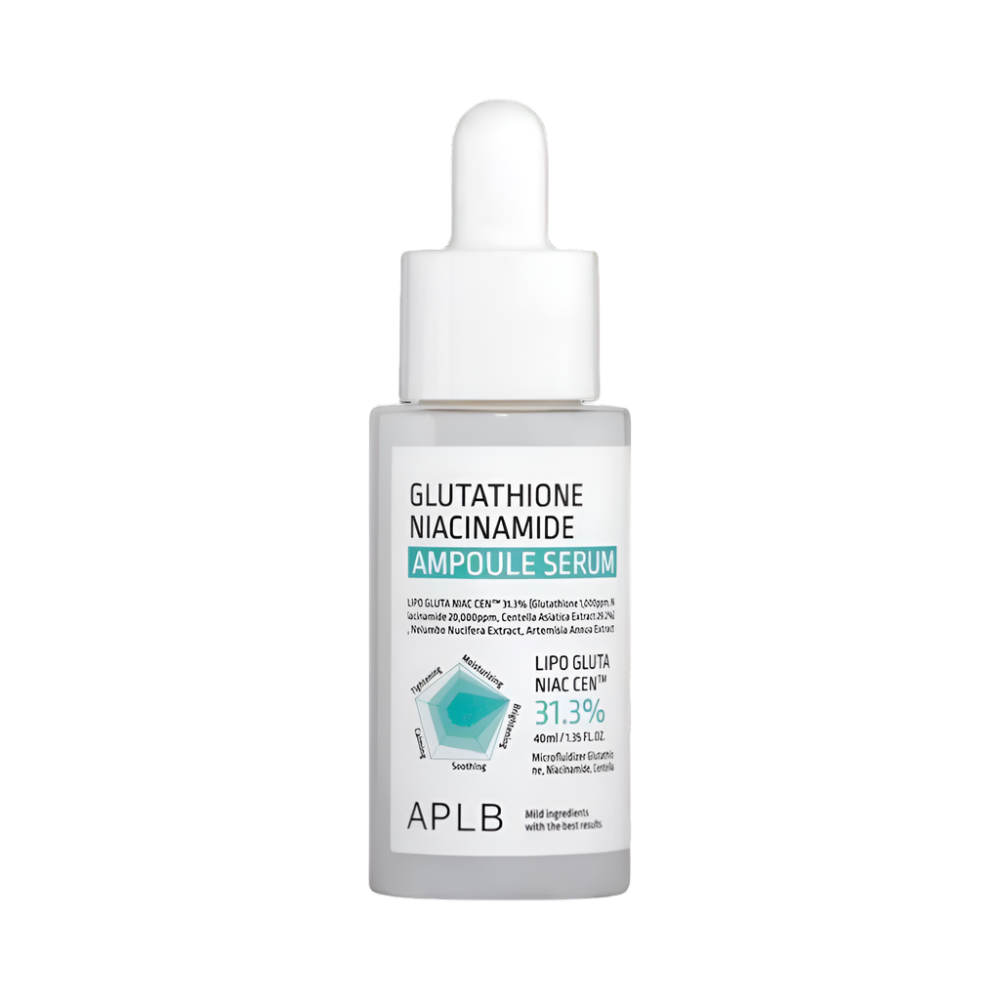
2. Niacinamide for dark spots
Niacinamide can be one of the best starting points if you are looking for a versatile active ingredient.
A form of vitamin B3 that has been studied, among other things, in connection with supporting the skin barrier, evening skin tone, and pigmentation.
In a clinical study, a product containing 5% niacinamide reduced hyperpigmentation compared with the control after four weeks of use.
The benefit of niacinamide is that it may be useful for more than just dark spots.
A well-chosen formula can combine several benefits at once:
- targeting dark spots,
- hydrating,
- supporting the skin barrier,
- formulated for oily skin,
- or as part of an anti-aging routine.
3. Vitamin C – brighter, more even skin tone
Vitamin C is a classic antioxidant active ingredient in Korean skincare.
In skincare, you’ll mainly come across it because of its antioxidant properties and in formulas designed to improve skin tone.
For dark spots, vitamin C can be an interesting part of a comprehensive routine, but it’s important to be realistic here too: not all vitamin C cosmetics are the same, and the formula’s stability, concentration, and regular use also matter.
If you have sensitive skin, it’s worth introducing it gradually.
The goal is not to use as many active ingredients as possible, but to develop a routine your skin can tolerate well over the long term.
4. Retinal – dark spots and skin texture
Retinal is a retinoid belonging to the vitamin A derivative family, used primarily for anti-aging and skin texture concerns.
Retinoids have also been studied for pigmentation concerns, including melasma and post-inflammatory hyperpigmentation.
Retinal may therefore be particularly interesting if you want to target not only the appearance of dark spots but are also concerned about:
- uneven skin texture,
- fine lines,
- dull skin tone,
- as well as anti-aging skincare.
However, retinal is an active ingredient, so it may require gradual introduction.
[LINK – „Retinal a koreai bőrápolásban – Hatása, használata és gyakori kérdések”]
[LINK – „Retinal kezdőknek – Hogyan vezesd be a rutinodba?”]
5. Tranexamic acid – increasingly popular for dark spots
In recent years, tranexamic acid has become a popular ingredient in skincare routines targeting dark spots.
It has also been studied in cases of melasma and hyperpigmentation, and can be found in topical products in various concentrations.
You’ll often come across it in Korean cosmetics as well, in products developed for dark spots and uneven skin tone.
However, if you suspect melasma, it’s worth knowing that this may be a chronic, recurring pigmentation concern, so it’s not advisable to rely solely on cosmetic products for a solution.
6. Licorice, arbutin, and other brightening ingredients
In Korean cosmetics for dark spots, you’ll come across numerous plant extracts and brightening ingredients.
For example:
- licorice extract,
- arbutin,
- compounds derived from licorice,
- antioxidant plant extracts.
Some of these target processes involved in melanin production and can be found in formulas designed to address various pigmentation concerns.
However, it’s important to understand that the presence of a cosmetic ingredient does not mean the product will be able to eliminate every dark spot.
The results may also depend on the formula, concentration, type of pigmentation, and consistency of use.
When it comes to dark spots, don’t fall into the “more is better” trap!
When the first brown spots appear, it’s easy to fall into the trap of wanting to use all the popular active ingredients at once.
Vitamin C in the morning.
Acids in the evening.
Retinal.
Niacinamide.
Tranexamic acid.
Exfoliant.
And, of course, another dark-spot serum.
Stop!
Too many active ingredients can irritate the skin, and if inflammation develops, it may actually worsen pigmentation problems in some cases.
Post-inflammatory hyperpigmentation can develop following an inflammatory process.
That is why gentle, gradual skincare is particularly important when dealing with dark spots.
How do you build a Korean skincare routine for dark spots?
You don’t need to start with a ten-step routine.
A simple routine used consistently is a much better starting point.
Morning routine for dark spots
1. Gentle cleanser: Remove the impurities that have built up overnight without drying out your skin.
2. Hydrating toner or essence: It is not an essential step, but it can be a pleasant addition to your routine.
3. Niacinamide or vitamin C serum: Choose an active ingredient that suits your skin’s needs.
4. Moisturizer: Proper hydration should not be overlooked when dealing with dark spots either.
5. Sunscreen: This is the most important step in the routine.
Evening routine for dark spots
1. Removing makeup and sunscreen
2. Gentle cleansing
3. Targeted active ingredient: This could be niacinamide, retinal, or another pigmentation-focused ingredient.
4. Moisturizer: It can make your evening routine more comfortable.
If you use retinal, start gradually and don’t try to use it at maximum intensity every night.
[LINK – „Retinal vagy retinol? Mi a különbség, és melyiket válaszd?”]
Niacinamide + retinal for dark spots – a good pairing?
If you want to address uneven skin tone, texture, and anti-aging goals at the same time, niacinamide and retinal may be an interesting combination.
The two active ingredients work in different ways, so they can complement each other well in a suitable routine.
Niacinamide may be of interest for supporting the skin barrier and a more even skin tone, while retinal primarily plays a role in routines focused on skin renewal, texture, and the visible signs of aging.
What’s more, some modern formulas contain them together from the start.
The NIDA Youthful Formula™ Yam Mucin ABCE Boosting Serum, for example, contains niacinamide and retinal, as well as wild yam root extract, panthenol, and vitamin E and vitamin C derivatives. The brand highlights uneven skin tone, dull-looking skin, drier/rougher texture, and fine lines among the product’s targets.
NIDA and dark spots – how can it fit into your routine?
Among the NIDA Youthful Formula™ products, you will also find formulas that combine several ingredients of interest for skin tone and anti-aging routines.
The ABCE Boosting Serum contains niacinamide, retinal, and 3-O-ethyl ascorbic acid, a vitamin C derivative. The formula also includes, among other ingredients, wild yam root extract, panthenol, and tocopherol.
The ABCE Facial Cream also contains niacinamide, retinal, and 3-O-ethyl ascorbic acid, along with hydrating and barrier-supporting ingredients.
This is interesting because a routine for pigment spots does not necessarily require a single “anti-pigmentation” ingredient. Rather, it calls for a thoughtful routine that addresses skin tone, hydration, the barrier, and anti-aging goals all at once.
[LINK – „NIDA koreai kozmetikumok – A márka, a hatóanyagok és a NIDA skincare rutin bemutatása”]
When can you expect results?
This is one of the most important questions.
Don’t think in terms of just a few days.
Changes in hyperpigmentation are generally gradual, and the result also depends on the type of hyperpigmentation, how deeply it is located, which active ingredient you use, and how consistent your routine is.
In studies, many topical treatments targeting hyperpigmentation have been examined over several weeks or months.
That’s why you shouldn’t replace your serum every week just because you haven’t seen the desired change yet.
Consistency is more important than impatience.
5 mistakes to avoid when dealing with pigment spots
1. You skip sunscreen: This is one of the biggest mistakes.
2. You exfoliate too aggressively: More acids do not necessarily mean faster results.
3. You use too many active ingredients at once: Your skin will not become beautiful faster just because you layer ten different serums every evening.
4. You pick at your pimples: Inflammation and injury can make discoloration more likely to remain.
5. You expect results too quickly: Fading pigment spots is a long-term project.
When should you see a dermatologist?
Not every brown spot is simply a cosmetic problem.
You should consult a professional if:
- the pigment spot has appeared recently and is changing rapidly,
- its shape or color changes,
- it bleeds or resembles a non-healing wound,
- you are not sure whether it is actually a pigment spot,
- the hyperpigmentation is extensive or worsening rapidly,
- you suspect melasma,
- or you are not seeing improvement despite your skincare routine.
In the case of hyperpigmentation, it is especially important to first understand what type of lesion we are dealing with.
Facial hyperpigmentation – the most important message
If you struggle with hyperpigmentation, don’t look for a single “strongest” serum.
Think in terms of a system instead.
Sun protection + the right active ingredient + hydration + a gentle routine + patience.
Niacinamide, vitamin C, retinal, and certain brightening ingredients can all be interesting components of a Korean skincare routine focused on pigmentation. However, the literature also shows that treating pigmentation is complex, and sun protection plays an important role in almost every evidence-based approach.
And perhaps most importantly: don’t fight your skin.
It’s easy to overdo exfoliation and potent active ingredients because of pigmentation. A much better strategy is to establish a routine that your skin can tolerate well over the long term.
Frequently asked questions about pigmentation
What is best for pigmentation?
There is no single active ingredient that is best for every type of pigmentation. The right solution depends on the type of pigmentation. Sun protection is fundamental, however, and in some cases niacinamide, retinoids, vitamin C, tranexamic acid, or other targeted active ingredients may be considered.
Does niacinamide fade pigmentation?
Research suggests that niacinamide may help reduce the appearance of hyperpigmentation. In one clinical study, using 5% niacinamide resulted in an improvement in hyperpigmentation.
Is retinal good for pigmentation?
Retinoids have also been studied for pigmentation concerns. Retinal is primarily popular in anti-aging and texture-improving routines, but it can also be part of a comprehensive routine targeting pigmentation.
Can I use vitamin C and niacinamide together?
Yes, with the right formulations. If your skin is sensitive, it’s worth introducing new products gradually and not starting with several active ingredients at once.
Can pigmentation disappear completely?
It depends on the type, depth, and cause of the pigmentation. Some discoloration may fade significantly, while other types of pigmentation may require longer-term treatment and maintenance. Melasma, for example, can be a chronic condition prone to recurrence.
How long does it take for pigmentation to fade?
Generally, not within just a few days. In studies, pigmentation-focused treatments are often evaluated over several weeks or months.
Does sunscreen really help with pigmentation?
Yes. Broad-spectrum sun protection is an important part of treating and preventing melasma and post-inflammatory hyperpigmentation.
Can I use retinal for pigmentation in summer?
Using retinal on its own doesn’t mean it’s forbidden in summer, but consistent sun protection and consideration of your skin’s tolerance are especially important. If you experience sensitivity or irritation, reduce the frequency and seek professional advice if necessary.
Skincare for pigmentation isn’t a sprint but a marathon. The goal isn’t to use as many potent active ingredients as possible, but to establish a consistent, well-tolerated routine based on daily sun protection.