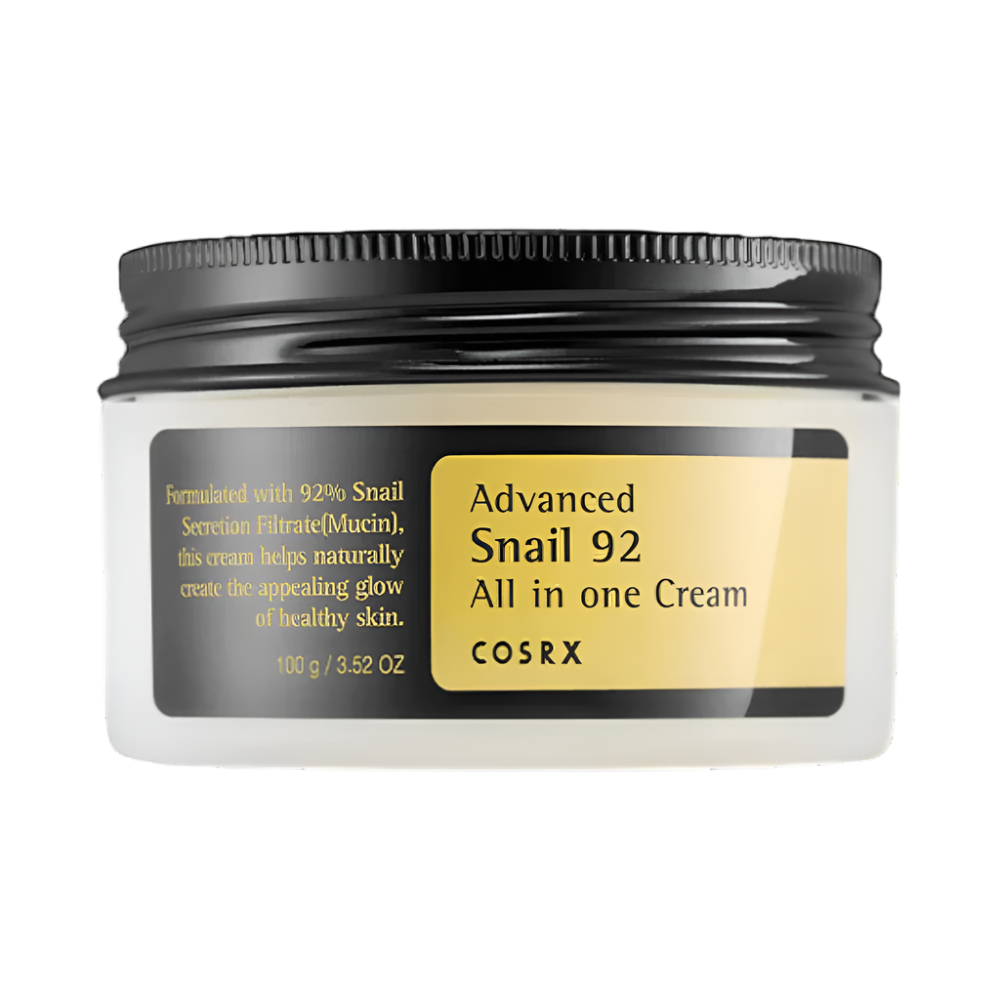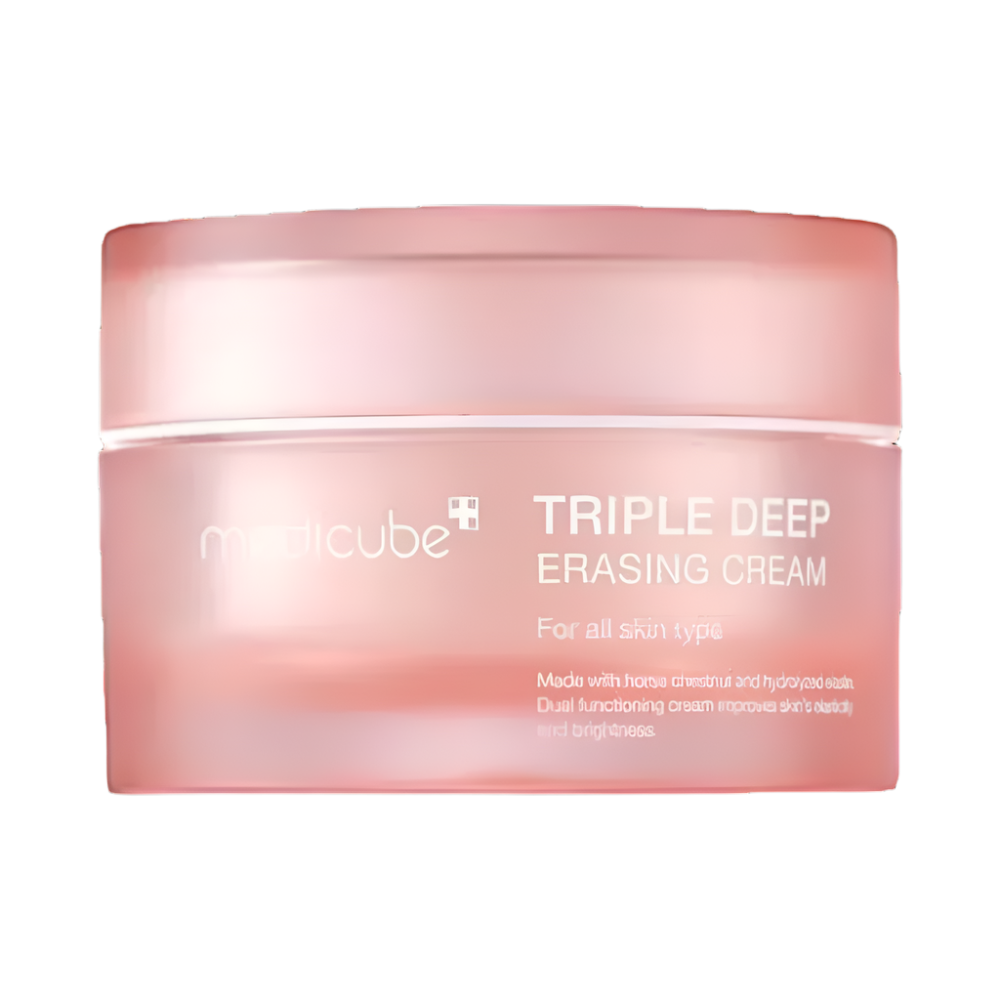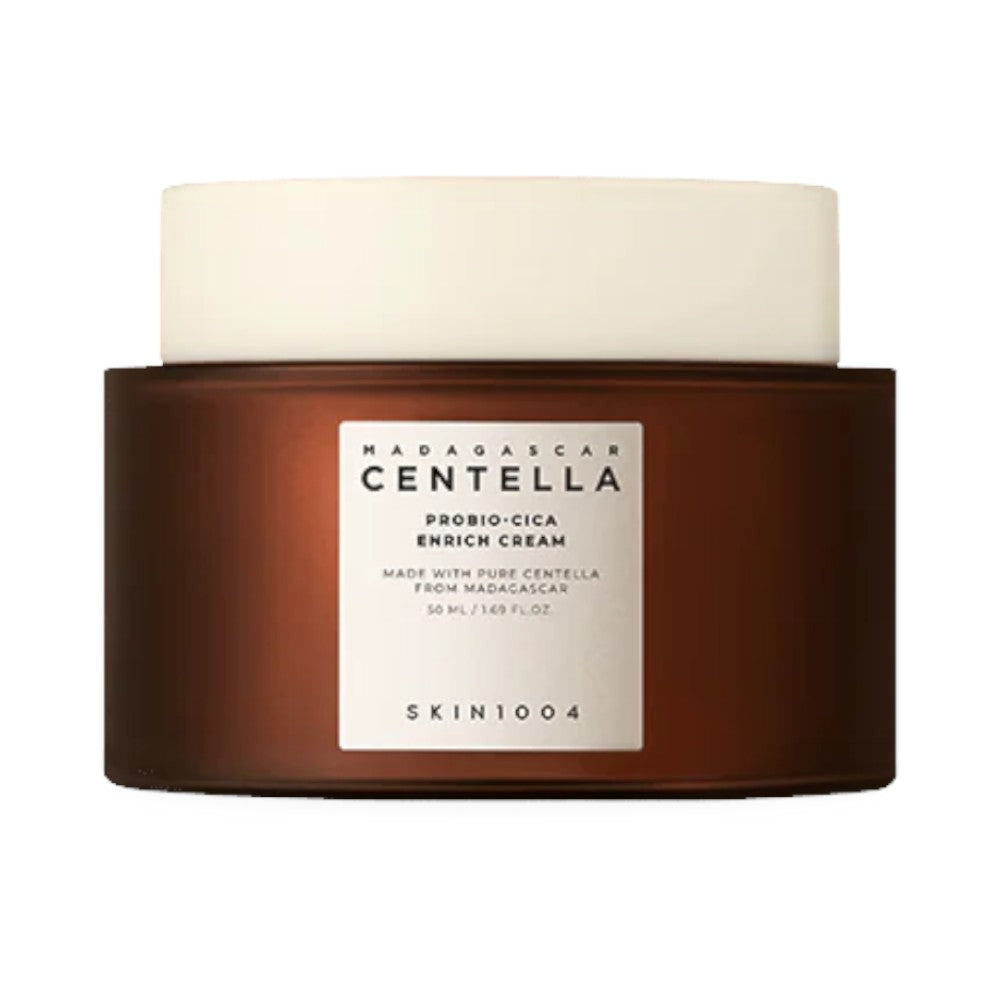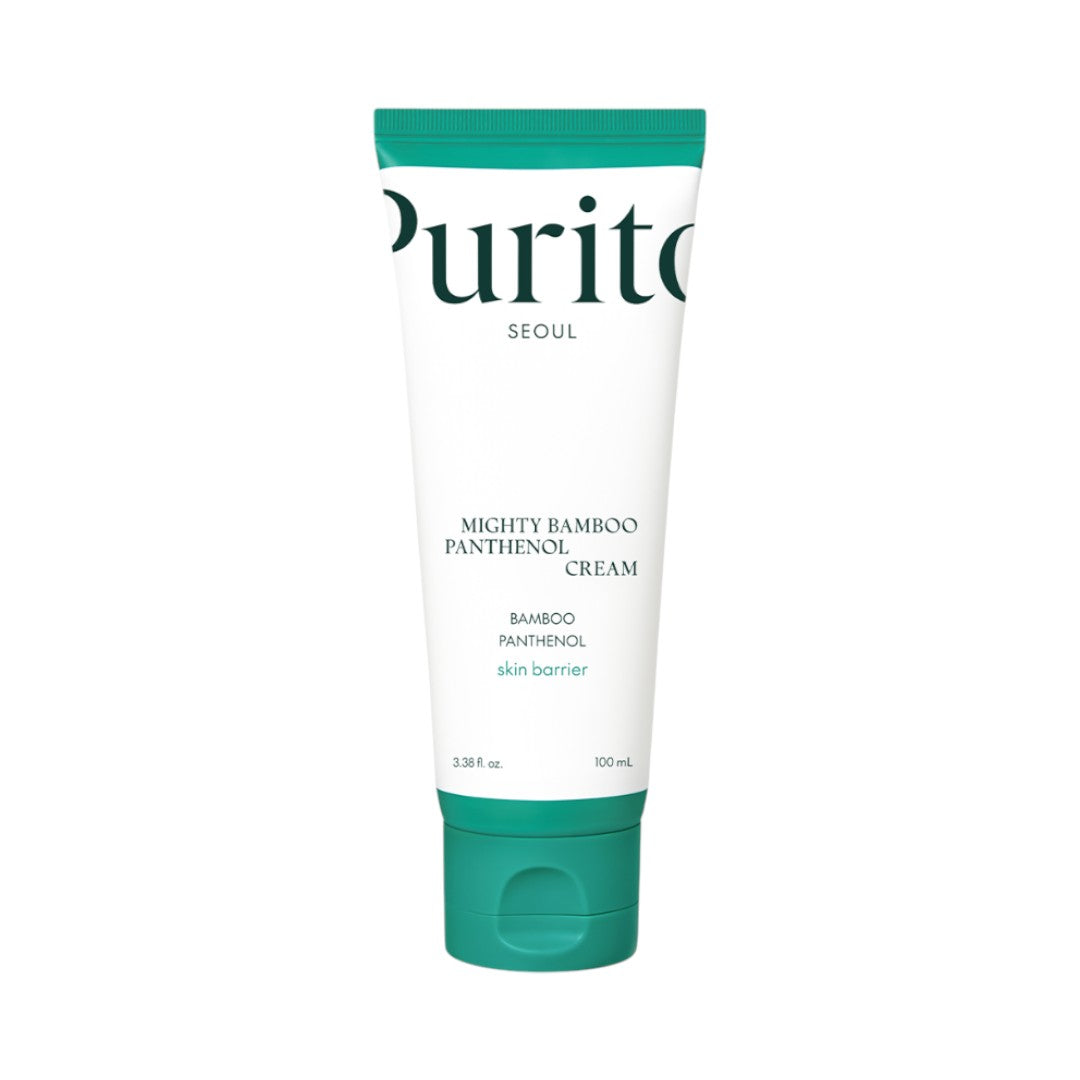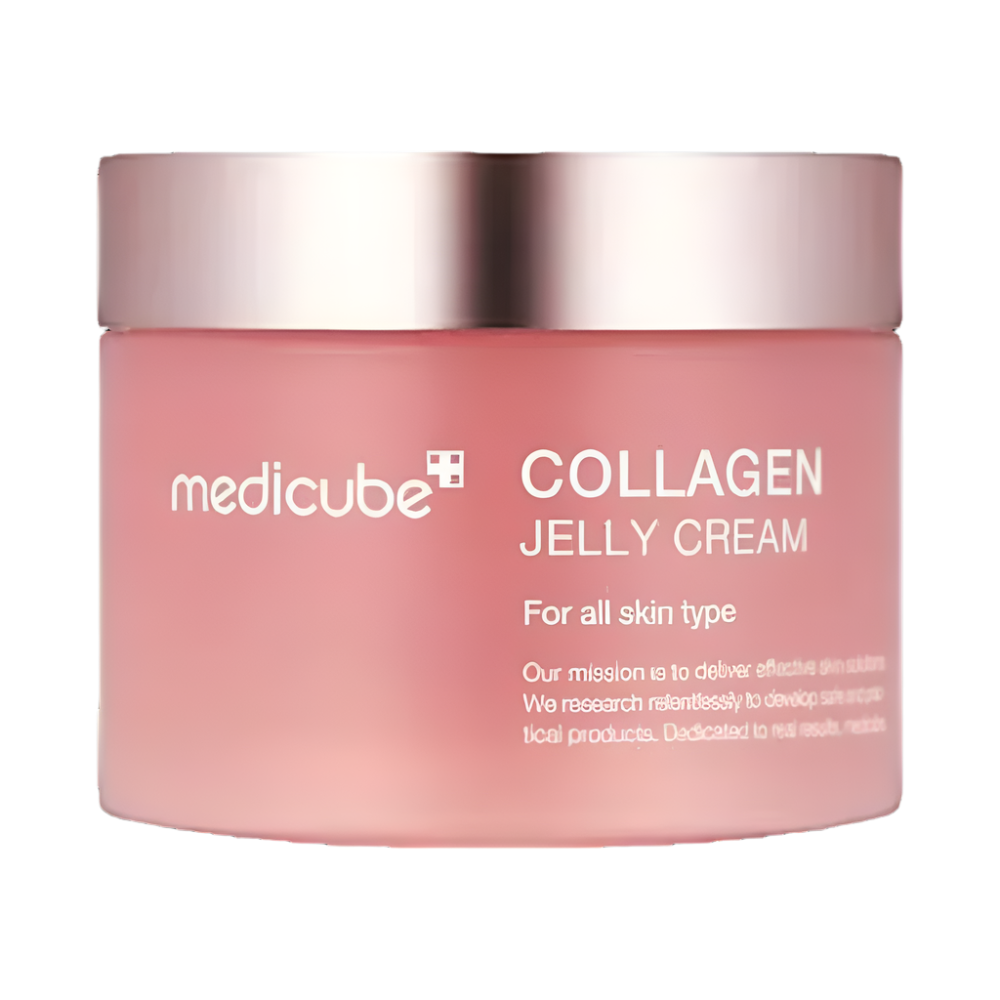

Dry skin often feels tight, has a rough texture, looks dull, and may occasionally flake or feel uncomfortably taut. In such cases, it is especially important for your skincare routine to provide adequate hydration and support the skin’s natural protective barrier. But what kind of moisturising cream is suitable for dry skin? Is a rich face cream enough, or are serum and toner important too? Which ingredients should you look for, and when should you use moisturising cream?
In this article, we will cover what to look for when searching for a moisturising face cream for dry skin, and also show you how to incorporate moisturising into your Korean skincare routine.
What exactly does dry skin mean?
Dry skin is a skin condition in which the skin produces less lipids and sebum, making it less able to retain moisture. As a result, the skin’s surface can dry out more easily and become more vulnerable to external environmental factors.
Common signs of dry skin:
- a tight, taut feeling,
- a rough skin surface,
- flaking,
- a dull appearance,
- small, dry lines,
- an unpleasant feeling after cleansing the face,
- increased sensitivity,
- noticeably dry patches under makeup.
However, it is important to distinguish between dry and dehydrated skin.
Dry skin is primarily related to the skin’s lipid and sebum production, while dehydration means that the skin’s water content is low. Dehydration can also be a temporary condition and can occur on oily or combination skin.
Why is moisturising cream important for dry skin?
For dry skin, the goal is not merely to deliver as much water as possible to the skin. It is at least as important that the skin be able to retain moisture.
A well-chosen moisturising cream can help with this.
The right face cream can perform several functions at once:
- supports the skin’s moisture content with hydrating ingredients,
- helps improve the skin’s comfort,
- supports the skin barrier’s function,
- may reduce the dry, tight feeling,
- may help make the skin softer and more supple,
- may form a protective layer on the skin’s surface, thereby reducing water loss.
Therefore, for dry skin, it is worth looking not simply for “the richest cream,” but for a formula in which several moisturising and barrier-supporting ingredients work together.
Which moisturiser should you choose for dry skin?
For dry skin, creamier, more nourishing textures may generally feel more comfortable than very lightweight gels.
Of course, this does not mean that everyone with dry skin must use only thick, greasy creams.
A good moisturizer:
- provides pleasant hydration,
- does not leave an unpleasantly heavy feeling,
- helps reduce tightness,
- supports the skin barrier,
- and can make the skin feel more comfortable with regular use.
A richer cream may be beneficial particularly in winter or in the case of very dry, sensitive skin, while in summer, a moderately rich texture may be more pleasant even for this skin type.
Cream, balm, or gel cream?
For dry skin, classic creams and more nourishing formulas may generally be a better choice.
Gel creams provide a light, fresh feeling, so they can be particularly pleasant for normal, combination, or dehydrated skin. Very dry skin, however, often requires more lipids and a more occlusive formula.
That is why it is always worth considering the skin's current condition.
What ingredients should you look for in a moisturizer for dry skin?
When choosing a moisturizer, it is worth looking at not only the texture but also the ingredients.
For dry skin, humectants, emollients, and occlusive ingredients may be particularly worth considering, as they support hydration in different ways.
1. Hyaluronic Acid
Hyaluronic acid is one of the best-known moisturizing ingredients in cosmetics.
As a humectant, it helps bind water, so it can also be useful in a well-formulated product for dry or dehydrated skin.
Hyaluronic acid combines particularly well with other moisturizing ingredients, such as glycerin or panthenol.
2. Glycerin
Glycerin is a classic moisturizing ingredient that helps maintain the skin's moisture content.
You can often find it in toners, essences, serums, and moisturizers as well.
For dry skin, it may be particularly practical to choose a formula that contains glycerin alongside other moisturizing and barrier-supporting ingredients.
3. Ceramides
Ceramides are important components of the skin barrier's natural lipids. Therefore, they may be particularly worth considering for dry, sensitive, or compromised skin barriers.
A properly functioning skin barrier helps the skin retain moisture better and become more resilient against environmental stressors.
If your skin often feels tight, flakes, or feels sensitive, it may be worth trying a moisturizer containing ceramides.
4. Panthenol
Panthenol, or provitamin B5, is a common ingredient in moisturizing and soothing formulations.
It can help improve the skin's comfort, making it a useful ingredient for dry, sensitive, or irritation-prone skin.
It can be a particularly good choice if you experience an uncomfortable tight feeling in addition to dryness.
5. Centella asiatica
centella asiatica, also known as gotu kola, is a popular botanical ingredient in Korean skincare.
You may encounter it in various Korean skincare formulations primarily for its soothing and skin-supporting properties.
For dry, sensitive skin, you can also choose a moisturizing product that contains centella alongside hydrating ingredients.
6. Beta-glucan
Beta-glucan can also be an interesting ingredient for dry and sensitive skin.
They are also commonly used in moisturizing and skincare formulations and can fit well into a routine designed to support the skin's comfort and hydration.
7. Nourishing lipids and plant oils
For dry skin, humectant ingredients are not the only important ones.
Properly selected plant oils and other lipids can help make the skin's surface feel more comfortable and contribute to maintaining hydration.
These may include certain plant oils, shea butter, or squalane.
Moisturizing cream or serum for dry skin?
Many people think that if they use a moisturizing serum, they don't need a face cream.
For dry skin, however, the two can complement each other very well.
A moisturizing serum can provide a lighter-textured, concentrated formula, while a cream can help seal in and maintain the results of hydration.
A simple routine could look like this:
cleansing → toner/essence → moisturizing serum → moisturizing cream → sunscreen in the morning
In the evening, sunscreen is naturally omitted.
How should you use moisturizing cream for dry skin?
A moisturizing cream is generally best used at the end of your routine, before sunscreen.
Morning routine for dry skin
A simple morning routine could be:
- gentle facial cleanser,
- moisturizing toner or essence,
- moisturizing serum,
- moisturizing cream,
- sunscreen.
You don't need to use every step. A good routine is one that is tailored to your skin's needs.
Evening routine for dry skin
For example, in the evening:
- makeup remover or oil cleanser,
- gentle water-based facial cleanser,
- moisturizing toner or essence,
- serum,
- moisturizing cream.
For very dry skin, a richer, more nourishing night cream or sleeping mask can occasionally be added to your routine.
When should you use moisturiser?
For dry skin, using moisturiser is generally not just an evening step. Consider making moisturising part of both your morning and evening routines. In the morning, moisturiser can improve your skin’s comfort and prepare it for sunscreen and makeup. In the evening, it can help support the maintenance of your skin’s hydration during its overnight regeneration period.
The most important thing is not to use as many products as possible, but to care for your skin consistently and according to its needs.
Why might your skin be dry even if you moisturise regularly?
If you regularly use moisturiser but your skin still feels tight or flaky, it is worth reviewing your entire routine. The moisturiser itself is not always the problem.
Cleansing too harshly
Cleansing too harshly or too often can worsen your skin’s comfort. For dry skin, it is generally worth choosing a gentle cleanser that respects the skin’s natural balance.
Exfoliating too often
Acid exfoliants and other active ingredients can be useful parts of a considered skincare routine, but you do not necessarily need to use them every day. If your skin is dry, sensitive or irritated, it may be worth reducing your use of active ingredients.
Too many actives at once
Retinol, acids, potent vitamin C products and other actives can have a place in a well-structured routine, but you do not need to use everything at once. If your skin’s condition worsens, sometimes less is more.
Unsuitable moisturiser
The cream you have chosen may simply be too lightweight for your skin. If your skin feels tight again soon after applying the cream, it may be worth switching to a richer formula.
Moisturiser for dry skin in winter
Cold weather, wind and heated, dry air can be particularly taxing for dry skin. In winter, the same moisturiser that was perfect in summer may no longer provide sufficient comfort.
In this case, it may be worth:
- switch to a cream with a richer texture,
- use more barrier-supporting ingredients,
- avoid washing your face with water that is too hot,
- reduce excessive exfoliation,
- and use moisturising products consistently.
Dry skin and the skin barrier - why are the two connected?
The skin barrier is the outer protective layer of the skin, which plays an important role in, among other things, regulating water loss and protecting against external environmental effects.
If the skin barrier is not in optimal condition, the skin can more easily become dry, sensitive, and uncomfortably tight. That is why, when caring for dry skin, it is not worth following only the principle of “more hydration is better.”
The goal is instead to develop a routine that:
hydrates + supports the skin barrier + is gentle on the skin.
This approach is particularly important in Korean skincare, where layering and supporting the skin barrier also play a prominent role.
5 common mistakes when caring for dry skin
1. You only try to replenish water
Dry skin may need not only hydration, but also lipid and barrier support.
2. You choose a cream that is too rich
The rule “dry skin = the richest possible cream” does not always work.
An overly rich texture can feel uncomfortable, so a comfortable, well-tolerated formula is more important than how thick the cream is.
3. You exfoliate too much
Exfoliation does not solve dry skin. If you use it too often, you may further worsen the skin's comfort.
4. You forget sunscreen
Sun protection is important not only in summer. Daily SPF is one of the most important parts of a mindful skincare routine.
5. You use too many products
Dry skin does not necessarily need ten different products. A simple, consistently used routine is often a better starting point.
What moisturizer is suitable for very dry skin?
For very dry skin, it is worth looking for a cream that may contain all of the following:
- hydrating ingredients,
- skin-softening lipids,
- barrier-supporting ingredients,
- soothing ingredients.
Formulas containing ceramides, panthenol, glycerin, hyaluronic acid, beta-glucan, or squalane may be particularly worth considering.
If the skin is very dry, tight, or flaky, a more nourishing cream will probably feel more comfortable than a lightweight gel cream.
What moisturizer is suitable for dry and sensitive skin?
When dealing with dry and sensitive skin, it is worth choosing even more carefully.
The goal is not to use as many active ingredients as possible, but to keep your routine simple and gentle.
It is worth prioritizing formulas that:
- contain hydrating ingredients,
- support the skin barrier,
- feel comfortable on the skin,
- and do not cause discomfort during use.
If a product regularly stings, burns, or increases irritation, it is not worth forcing yourself to use it just because it is otherwise popular or has received many positive reviews.
Korean moisturizers for dry skin
Among Korean cosmetics, there are many moisturizers that specifically focus on hydration, supporting the skin barrier, and improving comfort.
One of the major advantages of K-Beauty is that you can choose from a wide range of textures, from lightweight emulsions and gel creams to rich, nourishing face creams.
For dry skin, it's primarily worth looking for formulas that contain a combination of several hydrating and barrier-supporting ingredients.
Frequently asked questions
Do I need moisturizer for dry skin every day?
Yes, moisturizer can be an important part of daily care for dry skin. Along with consistency, however, it's also important that the cream suits the skin's current condition.
What is the best moisturizer for dry skin?
There is no single “best” moisturizer for everyone. For dry skin, it's worth choosing a formula that contains both hydrating and barrier-supporting ingredients, while also feeling pleasant and comfortable on the skin.
Is hyaluronic acid good for dry skin?
Yes. Hyaluronic acid can be a useful hydrating ingredient in the care of dry or dehydrated skin. It can work particularly well in a routine where you also support moisture retention with a moisturizer.
Can I use oil instead of moisturizer?
Facial oil and moisturizer don't serve exactly the same purpose. Oils can primarily help soften the skin and reduce moisture loss, while moisturizers often provide a combination of humectant and emollient ingredients.
Should I use a moisturizer in summer if I have dry skin?
Yes, but in summer, a moisturizer with a lighter texture may feel more comfortable. The right choice always depends on your skin's current condition and the weather as well.
Summary: how to choose a moisturizer for dry skin
If you're looking for a moisturizer for dry skin, don't focus only on how rich or thick the texture is. It's worth choosing a product that:
- contains hydrating ingredients,
- supports the skin barrier,
- helps reduce the feeling of tightness,
- pleasantly nourishes the skin,
- and fits well into your overall skincare routine.
Hyaluronic acid, glycerin, panthenol, ceramides, beta-glucan, and squalane are ingredients worth looking for when choosing a moisturizer for dry skin.
Most importantly, don't try to over-treat dry skin. Gentle cleansing, adequate hydration, barrier support, and daily sun protection are much more important than a multitude of active ingredients.
And if you still don't know exactly which moisturizer suits your skin, it's worth choosing based on your skin type and its current condition, rather than simply on the product's popularity.