What are copper peptides, and why have they become a focus of Korean skin care?
Peptides have long been popular ingredients in anti-aging skin care, but recently, one special type has been attracting more and more attention: copper peptides, or Copper Peptides. The best known of these is GHK-Cu, which is often associated with skin regeneration, collagen, and a more youthful-looking complexion. But what makes this ingredient special? Can it really help maintain the skin’s elasticity? And is it worth adding to your daily facial care routine?
Interest in copper peptides is no coincidence. Research suggests that certain copper peptide complexes may be involved in biological mechanisms related to skin structure and regeneration. Korean cosmetic brands are also using them more and more often in innovative anti-aging formulas.
Let’s take a look at what you should know about them!
💠 What is GHK-Cu?
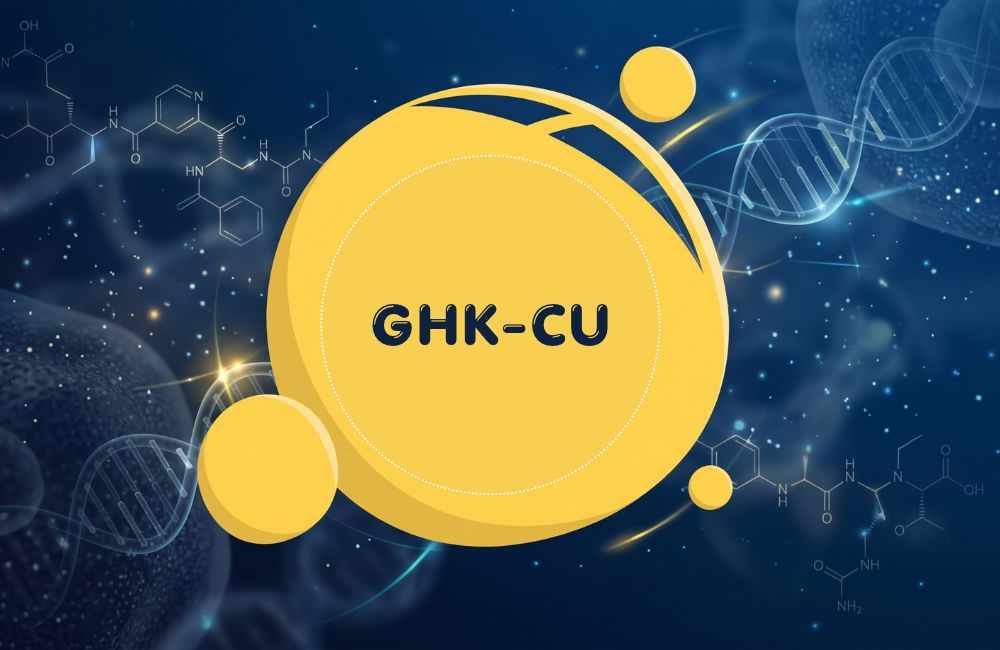
GHK-Cu is a combination of a peptide made up of three amino acids and copper. GHK is a tripeptide composed of the amino acids glycine, histidine, and lysine, bound to a copper ion. GHK-Cu is also naturally present in the human body, including in blood plasma, and research suggests it may play a role in certain tissue regeneration processes. Copper itself is also an important trace element for the body. It is needed for the function of numerous enzymes and plays a role in processes related to the formation of connective tissue, among other things. GHK-Cu is therefore not simply another peptide among cosmetic ingredients. What makes it special is that the peptide and copper combine to form a biologically active complex.
You may also see it listed as Copper Tripeptide-1 in cosmetic ingredient lists.
✨ How do copper peptides affect the skin?
Research on GHK-Cu focuses primarily on processes that determine skin structure, collagen-related mechanisms, and regeneration.
But what could this mean for skin care?
1. May be linked to collagen production
Collagen is one of the skin’s most important structural proteins. It plays an important role in maintaining the skin’s firmness and elasticity. As we age, the amount and structure of collagen gradually change, which may contribute to the development of fine lines, wrinkles, and sagging skin. Laboratory and preliminary research on GHK-Cu suggests that this complex may influence fibroblast function and collagen-related processes. That’s why it has attracted attention in the development of anti-aging cosmetics.
It's important to note, however, that laboratory results do not automatically mean that using a copper peptide serum has been proven to increase collagen production in the skin.
2. They may support processes related to skin regeneration
One of the most studied properties of GHK-Cu is its relationship with tissue regeneration. Under experimental conditions, it has been linked to processes that may play a role in restoring the skin's structure and changing the environment between cells. This makes copper peptides particularly interesting in research on skin aging.
However, it's worth keeping realistic expectations about cosmetics: a serum applied topically is not equivalent to products used in medical or clinical settings.
3. They may also be linked to antioxidant processes
Every day, the skin is exposed to various environmental factors, such as UV radiation and air pollution. These can contribute to oxidative stress, which is one factor in premature skin aging. Research on GHK-Cu also examines its relationship with antioxidant and inflammatory processes. However, this does not mean that copper peptides can replace antioxidants or sunscreen in your daily facial skincare routine.
Copper peptides vs. traditional peptides – what's the difference?
If you've already used a serum containing peptides, you may wonder why copper peptides deserve special attention. Traditional cosmetic peptides consist of various amino acid chains. Depending on the formulas and the type of peptide, they can serve different skincare purposes. In copper peptides, the peptide is bound to a copper ion, and this complex may have different biological properties. The key difference, then, is not simply the presence of copper, but the molecule's structure and the resulting biological activity. The two ingredient groups are not necessarily competitors. Different types of peptides can complement a skincare routine in different ways.
If you'd like to learn more about peptides, read our previous article: Peptides in skincare – how K-Beauty favorites work
👩 Who is copper peptide serum recommended for?
Copper peptides are primarily sought by those who want to focus more on maintaining their skin's elasticity, firmness, and youthful appearance.
You may be especially interested if:
- The first fine lines and wrinkles have already appeared on your skin.
- You'd like to support your skin's elasticity.
- Your skin looks duller and less firm.
- I'm interested in modern, peptide-based anti-aging formulas.
- You’re looking for a serum that contains special peptides alongside traditional moisturizing ingredients.
It’s important to note that copper peptides aren’t only of interest for mature skin. When choosing the right cosmetic product, always consider your skin’s current condition and the formulation of the product.
👉 How to use copper peptides in your daily skincare routine
Cosmetics containing copper peptides are generally available as serums, making them easy to incorporate into your existing Korean skincare routine.
A simple routine might look like this:
Morning routine:
- Gentle facial cleansing
- Hydrating toner or essence
- Copper peptide serum, if the product instructions allow it.
- Moisturizing face cream
- Sunscreen with at least SPF 30
Evening routine:
- Oil cleanser, if you’ve worn makeup or sunscreen.
- Water-based facial cleanser
- Hydrating toner
- Copper peptide serum
- Moisturizer or skin barrier-supporting cream
The most important thing is to always follow the instructions for the specific product. If you’re introducing a new copper peptide serum, start gradually and watch how your skin reacts.
🙂 Which ingredients can be combined with copper peptides?
Korean cosmetics often feature complex formulations that combine several active ingredients. However, compatibility between ingredients is especially important when it comes to copper peptides, as copper can interact with certain molecules.
Copper Peptides and Hyaluronic Acid
Hyaluronic acid can be an excellent complement to copper peptide skincare. While copper peptides are of interest because of their role in biological processes related to skin structure, hyaluronic acid primarily supports hydration. Together, they may help create a more hydrated, plump, and refreshed-looking complexion.
Copper Peptides and Ceramides
Ceramides are important components of the skin’s natural protective barrier. They help maintain skin barrier function and reduce moisture loss. If you want to support your skin barrier as part of a mindful anti-aging routine, a ceramide moisturizer can be a great addition.
Copper Peptides and Niacinamide
Niacinamide is one of the most versatile cosmetic ingredients. It may help support the skin barrier, regulate sebum production, and promote a more even skin tone. It is also used alongside peptides in some formulations. However, when using a copper peptide serum, always follow the combinations recommended by the manufacturer, as compatibility may depend on the overall formulation and its pH.
Copper Peptides and Retinol
Both ingredients are popular in anti-aging skincare, but they work in different ways. Retinol may help improve fine lines, uneven skin tone, and skin texture by influencing the processes involved in cell turnover. Copper peptides, on the other hand, are of interest primarily because of research into collagen and skin structure.
You don’t necessarily need to use them at the same time. If you’d like to introduce both, it’s worth using them in separate steps of your routine or at different times of day, and monitoring your skin’s response.
❌ Which ingredients should you avoid using with copper peptides?
A common question about using copper peptides is which active ingredients are best used separately. It’s especially worth being cautious with vitamin C and exfoliating acids.
Vitamin C
Pure ascorbic acid and copper peptides are often not recommended for use together, as the formulas’ pH and interactions between copper ions can affect the product’s stability. This doesn’t mean that every vitamin C derivative is incompatible with copper peptides. The formulation and the manufacturer’s instructions are what matter.
AHA and BHA acids
Glycolic acid, lactic acid, and salicylic acid are among the exfoliating ingredients. Since these products often have a lower pH, it may be worth using them separately to help maintain the stability of the copper peptide complex.
The simplest approach: use exfoliating acids in a separate routine, and copper peptides in a different skincare step. This also makes it easier to monitor your skin’s response.
How long does it take to see the effects of copper peptides?
This is one of the most common questions about cosmetics containing copper peptides. The answer isn’t entirely straightforward, because the effects depend on the product’s formulation and concentration, the peptide’s stability, and the condition of your skin. The moisturizing ingredients in cosmetics may make your skin feel more comfortable and plump in a shorter time. However, assessing changes related to skin structure and elasticity would require more time and appropriate clinical studies. Don’t expect a dramatic reduction in wrinkles from a copper peptide serum after just a few days. Consistent skincare, hydration, and sun protection remain more important than any single standout active ingredient.
☝ What to look for when buying a copper peptide serum
If you’d like to try copper peptides, there are a few things worth keeping in mind.
1. Check the ingredient list!
Copper Tripeptide-1 is one of the best-known cosmetic copper peptide ingredients. If you’re specifically looking for GHK-Cu, it’s worth checking exactly which ingredient the manufacturer uses.
2. Don’t focus only on the concentration!
A higher percentage does not necessarily mean better results. The peptide’s stability, the formulation, and the ingredients used together determine the product’s properties.
3. Look at the whole formula!
A good copper peptide serum doesn’t necessarily contain only copper peptides. Hydrating and skin-conditioning ingredients can also play an important role.
4. Choose a reputable brand!
Look for a product whose manufacturer clearly communicates its ingredients and directions for use.
✨ Copper peptides in Korean skincare – are they worth trying?
Copper peptides are undoubtedly interesting ingredients in the world of modern cosmetic development. Research on GHK-Cu is promising, particularly regarding skin structure, collagen, and regenerative processes. At the same time, it’s important to understand that laboratory results and the effects achievable through everyday cosmetic use are not necessarily the same. If you enjoy ingredient-focused skincare and want to expand your anti-aging routine, it may be worth learning about copper peptides.
However, remember that the foundation of youthful-looking skin is still proper hydration, protecting the skin barrier, and daily sun protection.
One of the biggest advantages of Korean skincare is that it offers plenty of options for creating a personalized routine. By choosing the right active ingredients, you can tailor your skincare to your skin’s current needs.
❓ Frequently asked questions about copper peptides
What are copper peptides good for?
Copper peptides, especially GHK-Cu, are popular because of research into their relationship with skin structure, collagen, and regenerative processes. In cosmetics, they are primarily used as skin-conditioning and anti-aging ingredients.
What is GHK-Cu?
GHK-Cu is a peptide made up of three amino acids, bound to a copper ion. GHK consists of the amino acids glycine, histidine, and lysine.
Can all skin types use copper peptide serum?
A well-formulated copper peptide product may suit most skin types. However, if you have sensitive skin, it’s recommended to test the product on a small area first.
Can copper peptides be used with retinol?
Both ingredients can be part of your routine, but it’s best to use them at different times of day or on different days, especially if your skin isn’t used to either one yet.
Can copper peptides be used with vitamin C?
Pure ascorbic acid and copper peptides are best used in separate routines, as interactions between the formulas may affect their stability. However, the situation may be different with some vitamin C derivatives.
At what age should you start using copper peptides?
There is no set age. Choosing the right cosmetic product depends more on your skin’s condition and needs, and on the product’s ingredients.