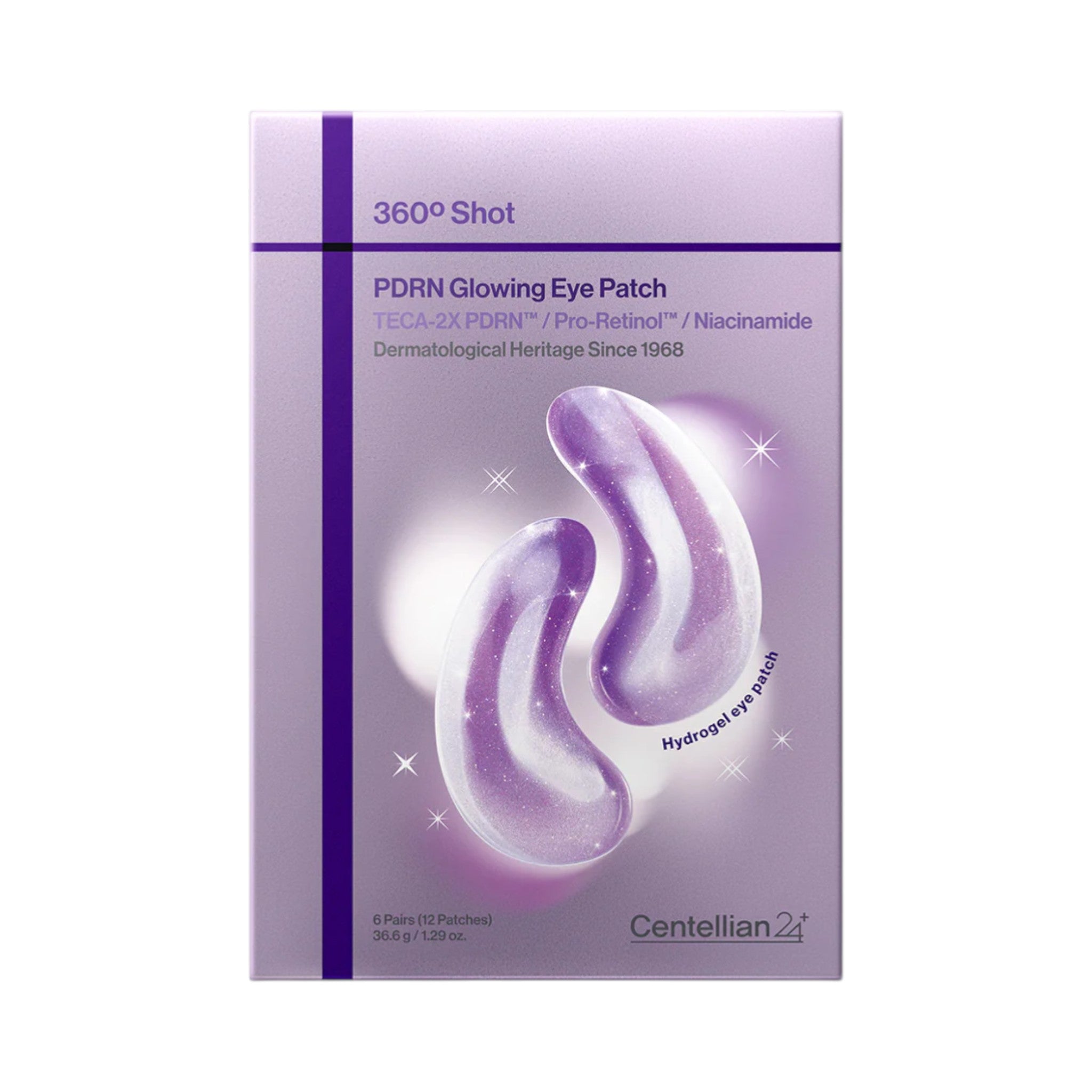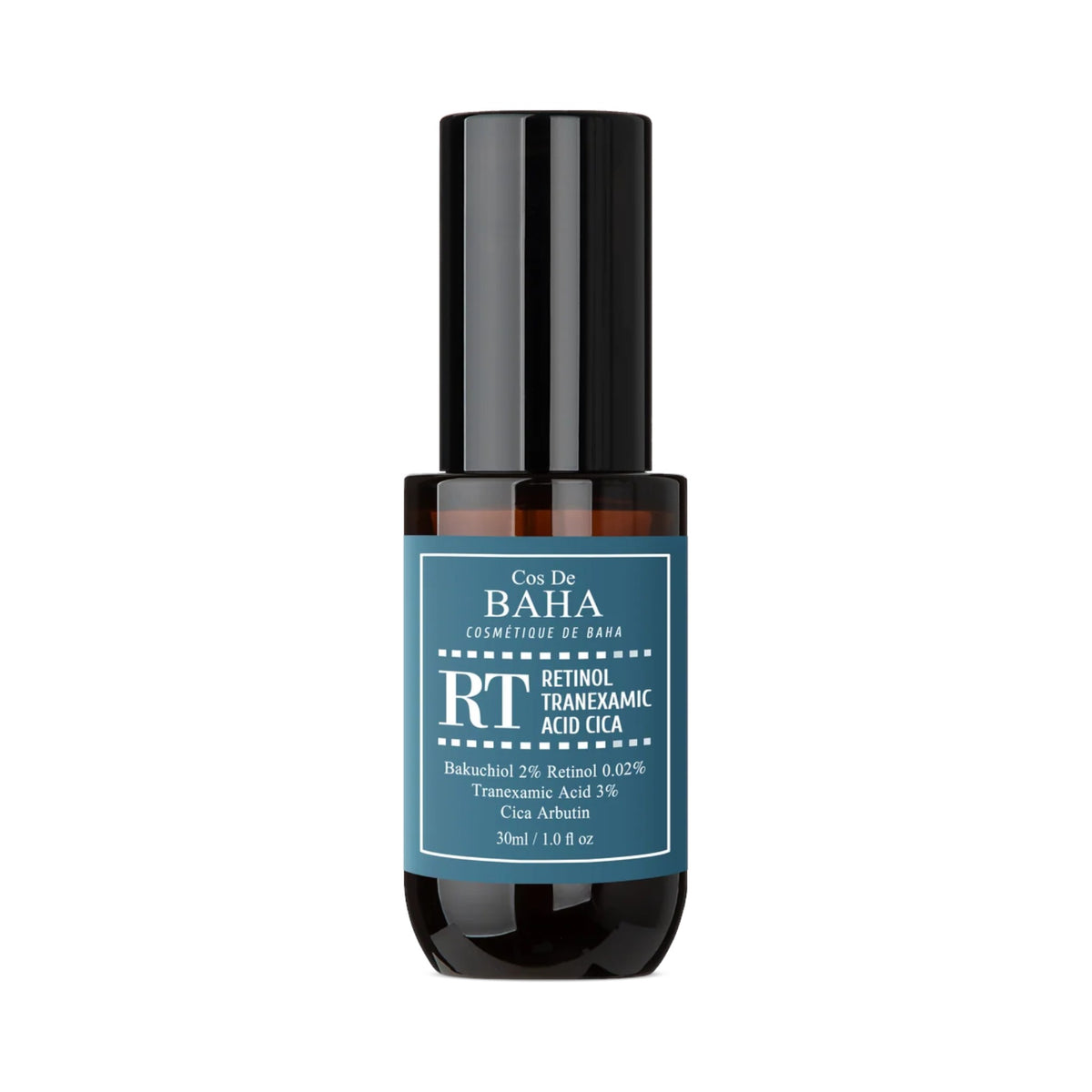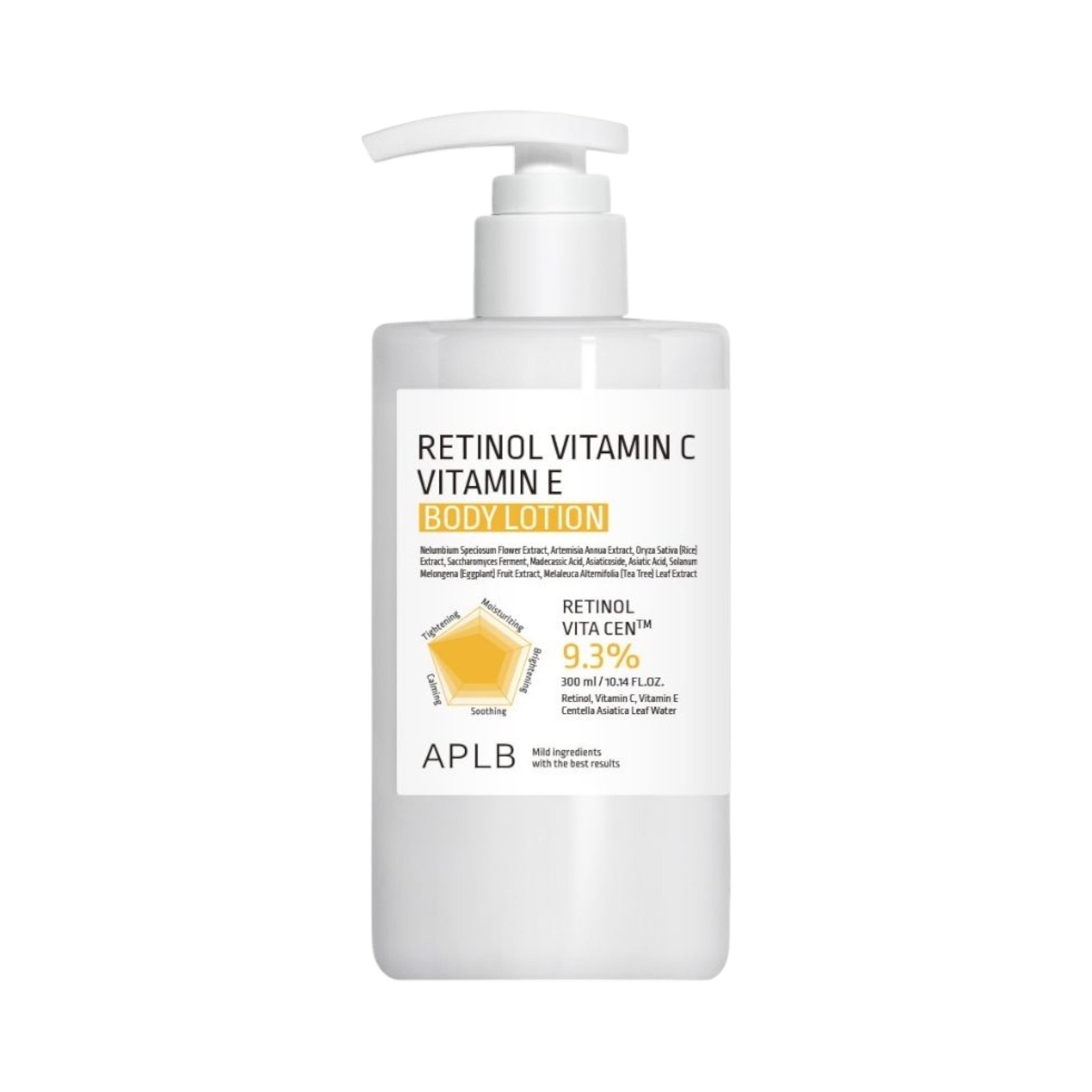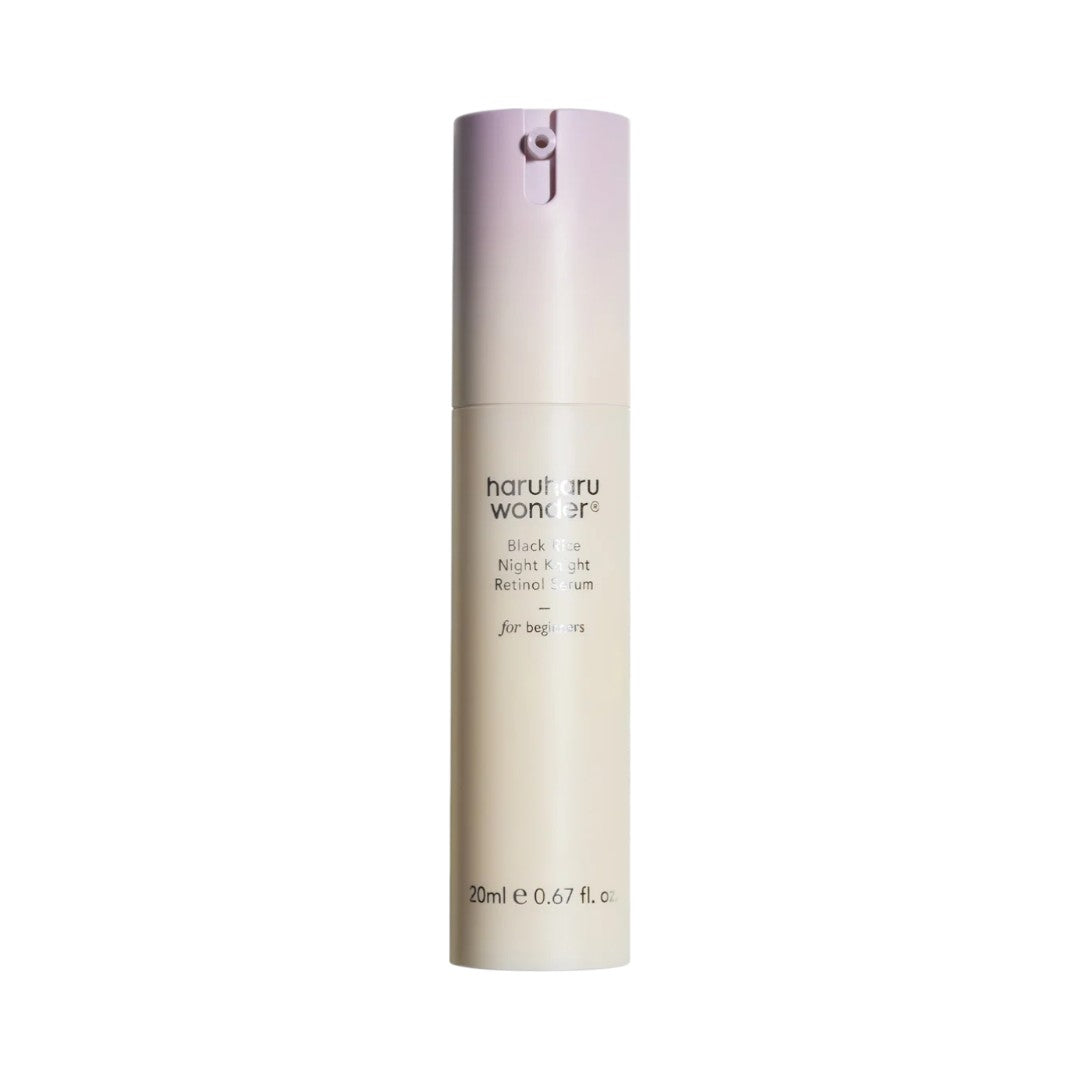
If there’s a question I get at least ten times a week, it’s this: "Should I use retinol or get a good peptide cream? Which one reduces wrinkles better?" It’s no wonder you get confused with so many options. Retinol has been the undisputed queen of anti-aging for years, but recently peptides (especially in Korean skincare) have made a huge splash, and many swear by them. But which one is more effective? Which should a beginner choose? And what if I told you you don’t necessarily have to choose? 😉
Today, we’re putting these two heavyweights in the ring to see how they work at the cellular level. Get ready, because by the end you’ll definitely know the answer!
In the right corner: Retinol (The power of Vitamin A) 💪
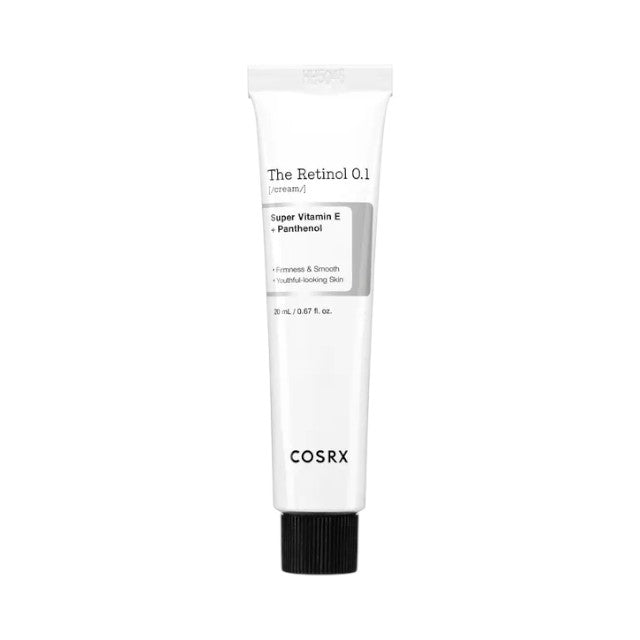
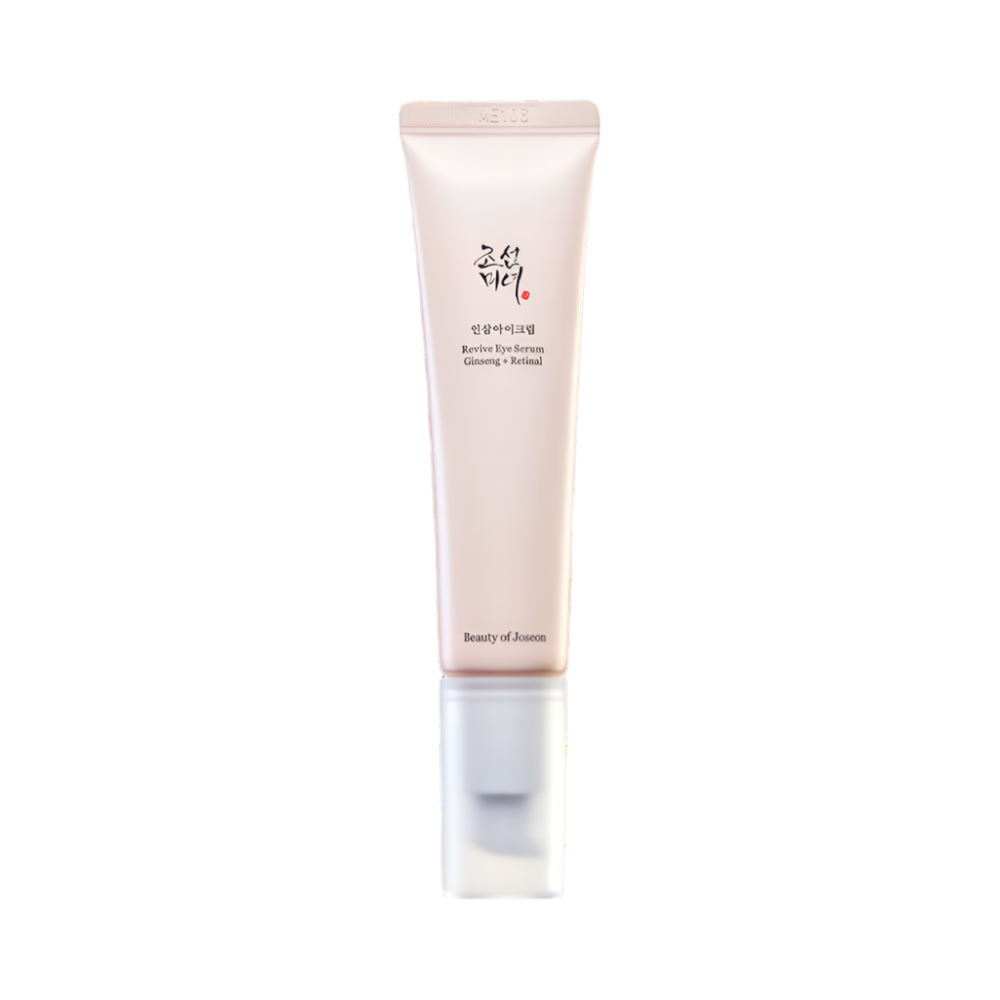
Let’s start with the "title defender." Retinol (and its relatives, retinoids) is the gold standard for dermatologists. Why? Because it’s one of the most researched ingredients in the world.
How does it work?
Retinol doesn’t just "caress" the skin; it gives orders.
- Speeds up cell turnover: It prompts lazy skin cells to renew faster.
- Collagen factory: It directly stimulates collagen production in the skin and inhibits the breakdown of existing collagen.
Who is it for?
- Those struggling with deeper wrinkles.
- Those who want to even out their skin surface (also great for spots and acne).
- Those with "thicker," more resilient skin.
The downside (Because there is one!):
Retinol can be aggressive. It may cause redness, peeling, irritation (retinol dermatitis), and makes the skin sensitive to light. It should be introduced carefully and gradually!
In the left corner: Peptides (The gentle builders) 🏗️
Peptides are the "good guys" of modern skincare. They are short chains of amino acids, the building blocks of proteins like collagen and elastin.
How do they work?
While retinol "commands," peptides act more like "messengers." When you apply them to your skin, they send a message to your cells: "Hey, we detected damage/deficiency, time to produce collagen!" This makes your skin start repairing without stress.
Who is it for?
- For sensitive skin: Those who can’t tolerate retinol.
- Beginners in anti-aging (from age 25).
- Those with a damaged skin barrier (protective layer).
- Those focusing on firmness and hydration (plumping effect).
The downside:
Their effect is slower and gentler than retinol’s. They won’t "erase" your skin overnight but rebuild it over the long term.
The big comparison: How do they differ?
To make the decision easier, let’s look at the key differences:
- Speed of effect: Retinol is the sprinter: faster, more visible results on the surface (smoothness, glow), but with higher risk. Peptides are marathon runners: slow but steady builders, providing stability in deeper layers.
- Sensitivity and side effects: Here, peptides win by a landslide. While retinol can cause redness and peeling ("purging"), peptides almost never irritate and actually soothe the barrier.
- Pregnancy and breastfeeding: This is a decisive point! Retinol use is strictly forbidden during this time, while peptides are completely safe for expectant mothers.
- Light sensitivity: Use retinol only at night, and sunscreen is mandatory the next day. Peptides do not make the skin light-sensitive, so you can use them morning and evening.
Why choose when you can combine? 🤝
Here’s the key: solving the problem! The question isn’t necessarily "which is better," but how to use them together.
These two ingredients complement each other brilliantly:
- Retinol breaks down the old and speeds up cell turnover.
- Peptides soothe, hydrate, and provide building blocks for new cells.
How to incorporate them into your routine?
- The "safe player" method: Use retinol at night and peptides in the morning (along with a good vitamin C or moisturizer).
- The "pro" method: In your evening routine, apply retinol, wait 10 minutes, then finish with a rich peptide-based moisturizer. This helps counteract retinol’s drying effect!
Summary: So which one should I get?
- If deep wrinkles, acne, or texture are your biggest concerns and your skin can handle it, retinol/retinal is the winner.
- If your skin is sensitive, thin, you’re pregnant, or just starting conscious skincare, peptides are the perfect choice.
- And if you want to get the maximum out of your skincare: use both wisely!
Remember: even the best anti-aging cream is useless without sunscreen! ☀️
Ready to fight wrinkles? Check out our webshop where we’ve gathered the most effective Korean anti-aging products for every skin type!