Retinal is one of the most exciting vitamin A derivatives in modern skincare, especially if your goal is to improve fine lines, uneven skin texture, or a dull complexion. However, if you are just starting to use it, it is important to proceed gradually: retinal can be an effective ingredient, but it is not advisable to apply it every evening right away.
What is retinal?
Retinal, also known as retinaldehyde, belongs to the vitamin A derivatives known as retinoids. In the skin, only one conversion step separates it from retinoic acid, which makes it biologically closer to retinoic acid than retinol.
Retinoids have long been studied for improving photoaging, fine lines, wrinkles, and skin texture. Research on retinaldehyde suggests that properly formulated retinaldehyde is a promising cosmetic ingredient, while tolerability is also an important consideration.
If you have not used a vitamin A derivative before, there is no need to be afraid of retinal. The key is not to use it as often as possible, but to introduce it gradually and monitor your skin’s reaction.
Who might retinal be a good choice for?
Retinal may be particularly appealing to those who want to take a more targeted approach to anti-aging skincare.
It may be part of your routine, for example, if:
- the first fine lines have appeared,
- you would like to improve your skin texture,
- you want a more even and smoother skin surface,
- your skin looks dull or tired,
- you want to establish a preventive anti-aging routine,
- you have already used milder active ingredients and would like to take the next step.
However, it is important to note that retinal is not exclusively for mature skin. As part of preventive skincare, it may also be introduced at a younger age if the condition of the skin and personal goals justify it.
Retinal for beginners: how to get started
The most common mistake is when someone thinks:
“If it’s good for my skin, then the more often I use it, the better.”
With retinal, this is not a good strategy.
Your skin may need time to adjust to the vitamin A derivative. That is why it is worth starting with a low frequency and then gradually increasing use.
1. Start twice a week
In the first few weeks, using retinal two evenings a week may be sufficient.
For example:
Monday – retinal
Tuesday – hydration
Wednesday – hydration
Thursday – retinal
Friday – hydration
Saturday – hydration
Sunday – hydration
This is just an example. You don’t need to follow this schedule exactly.
The key is to give yourself time between retinal evenings to observe how your skin responds.
2. Use a small amount
Using more product does not mean faster results.
Use only as much retinal as recommended in the instructions for the product you chose. There is no need for a thick layer over the entire face.
The goal is even application, not leaving a thick layer of product on the skin.
3. Don’t combine everything right away
When someone starts using retinal, they often want to incorporate vitamin C, acids, exfoliants, and other potent active ingredients all at once.
As a beginner, a simple routine is the better strategy.
On a retinal evening, for example, this may be enough:
cleanser → retinal → moisturizer
Once your skin tolerates retinal well, you can later develop a more complex routine.
How often should I use retinal?
There is no universal frequency that works for every skin type.
Over time, some people may be able to use it more frequently, while for others, a few times a week may be more comfortable.
The appropriate frequency is determined primarily by your skin’s tolerance.
If you experience mild dryness after use, consider using it less frequently and incorporating more hydration.
However, if you experience a strong burning sensation, significant redness, uncomfortable tightness, or intense peeling, don’t try to “push through it.” In such cases, it’s best to take a break and return to a simple, moisturizing routine.
When should I use retinal?
Retinal is generally best used as part of your evening routine.
A simple evening routine might look like this:
1. Cleansing: Remove makeup, sunscreen, and impurities with a gentle facial cleanser.
2. Retinal: Apply the retinal-containing product to cleansed skin according to the product’s instructions.
3. Moisturizer: Moisturizer can help make your routine more comfortable, especially if your skin is prone to dryness.
If your skin is more sensitive, the so-called “sandwich” technique may also be more comfortable for some people: moisturizer → retinal → moisturizer.
Do I need sunscreen when using retinal?
Yes.
Daily sun protection is an important part of any mindful skincare routine, especially when you use retinal for anti-aging purposes.
In the morning, it is therefore advisable to use at least SPF 30-50 broad-spectrum sunscreen; depending on the conditions, also consider using the appropriate amount and reapplying it.
Sun protection is also important because UV radiation plays a significant role in photoaging.
A retinal routine does not end with evening cream - morning sun protection is at least as important.
What can you use alongside retinal?
You do not have to give up every other active ingredient just because you use retinal.
In fact, a well-structured routine can include several ingredients that support hydration and skin comfort.
Hyaluronic acid
Moisturizing serums and essences containing hyaluronic acid can be easily incorporated into a retinal routine.
Niacinamide
Niacinamide is a versatile ingredient that is often used in moisturizing and skin barrier-supporting routines.
Peptides
Peptides are popular ingredients in anti-aging formulas, so they combine well in a complex routine focused on mature skin.
Panthenol
Panthenol is a common ingredient in moisturizing and soothing formulas, so it can be particularly useful if you want to pay more attention to your skin's comfort while using retinal.
What should you not use on the same evening as retinal?
As a beginner, it is not recommended to pack all the strong active ingredients into a single evening routine.
It is especially worth being cautious with stronger exfoliating acids and other potentially irritating active ingredients.
This does not mean that you cannot use them at all.
Instead, choose separate evenings.
For example:
Monday: retinal
Tuesday: moisturizing
Wednesday: exfoliant
Thursday: moisturizing
Friday: retinal
Saturday: moisturizing
Sunday: rest/moisturizing routine
This makes it easier to monitor how your skin reacts to each active ingredient.
Retinal and vitamin C - can they be used together?
Yes, vitamin C and retinal can both be included in the same skincare routine, but as a beginner, you do not necessarily need to use them at the same time.
One simple solution could be:
Morning: vitamin C → moisturizer → sunscreen
Evening: retinal → moisturizer
This way, the two active ingredients have a place in separate routines, while both can be incorporated into daily skincare.
Retinal and niacinamide - can they be used together?
Niacinamide and retinal can complement each other well in a thoughtful routine.
Niacinamide is an ingredient frequently used in moisturizing and barrier-supporting routines, so it can also be found in products that contain retinal.
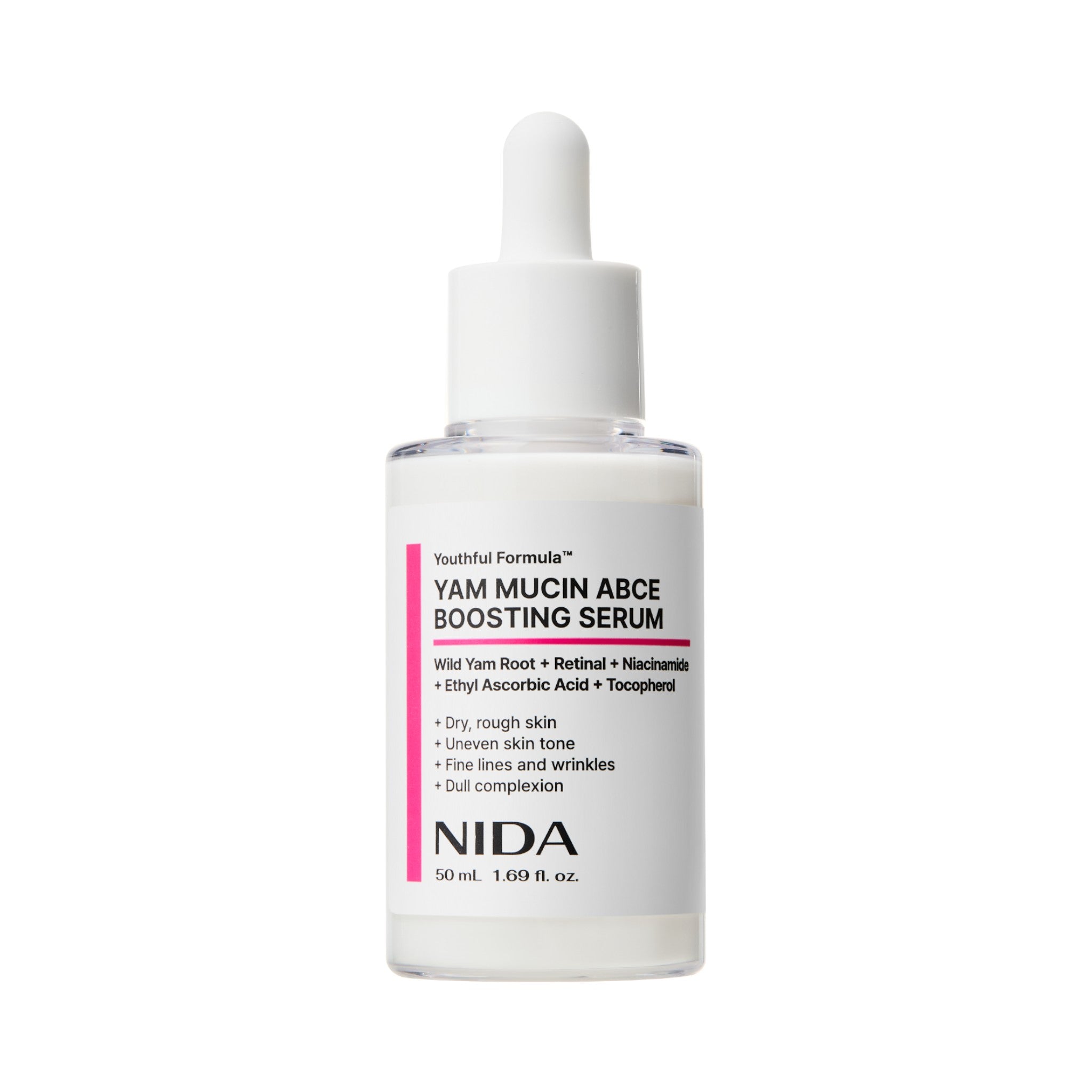
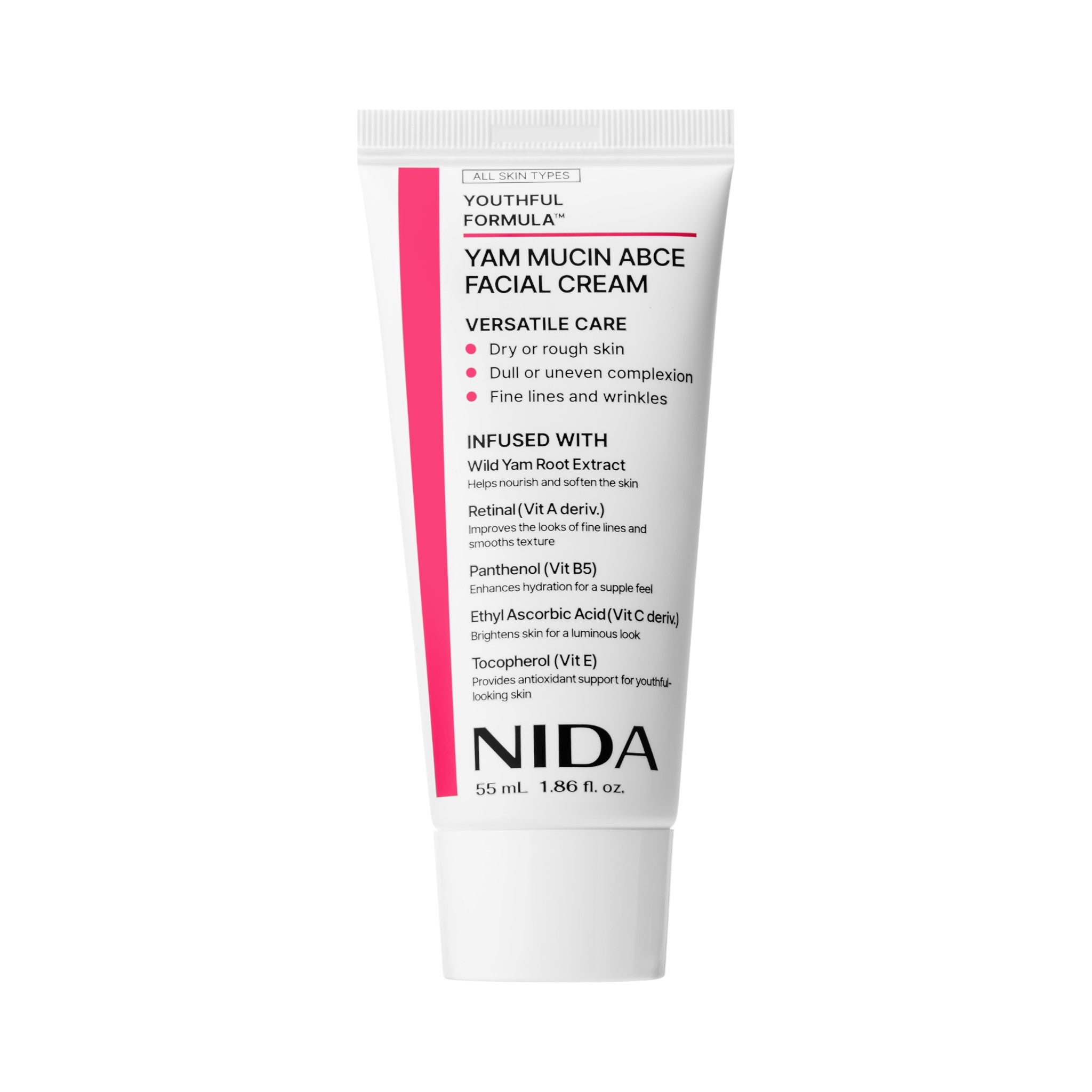
For example, the NIDA Youthful Formula™ Yam Mucin ABCE range contains retinal and niacinamide alongside several other active ingredients.
However, if you are just starting to use retinal, you do not need to introduce several new products at once. It is much easier to determine what your skin tolerates when you add only one new active product to your routine at a time.
What happens if your skin starts peeling?
When introducing retinal, your skin may appear drier or more sensitive.
If you experience mild dryness, reduce how often you use it and place greater emphasis on hydration.
The goal is not for your skin to peel heavily.
Peeling is not proof that retinal is “working better.”
If you experience significant irritation, take a break and simplify your routine instead.
When can results from using retinal be seen?
Retinal is not an ingredient from which you should expect dramatic changes within a few days.
Improving the condition of the skin is a gradual process, and its pace varies from person to person.
In clinical studies of retinaldehyde, changes in some features of photoaging, including the skin's texture and appearance, were observed after several months of use.
That is why it is worth thinking in terms of at least weeks and months, not days.
Consistency is the most important thing.
When should you not start using retinal?
If your skin is currently severely irritated, sunburned, damaged, or very sensitive, this is not the right time to introduce a new active ingredient.
First restore your skin's comfort and return to a simpler routine.
The use of retinoids is not recommended during pregnancy; if you are pregnant or planning a pregnancy, consult a doctor about using products containing vitamin A derivatives.
NIDA retinal for beginners
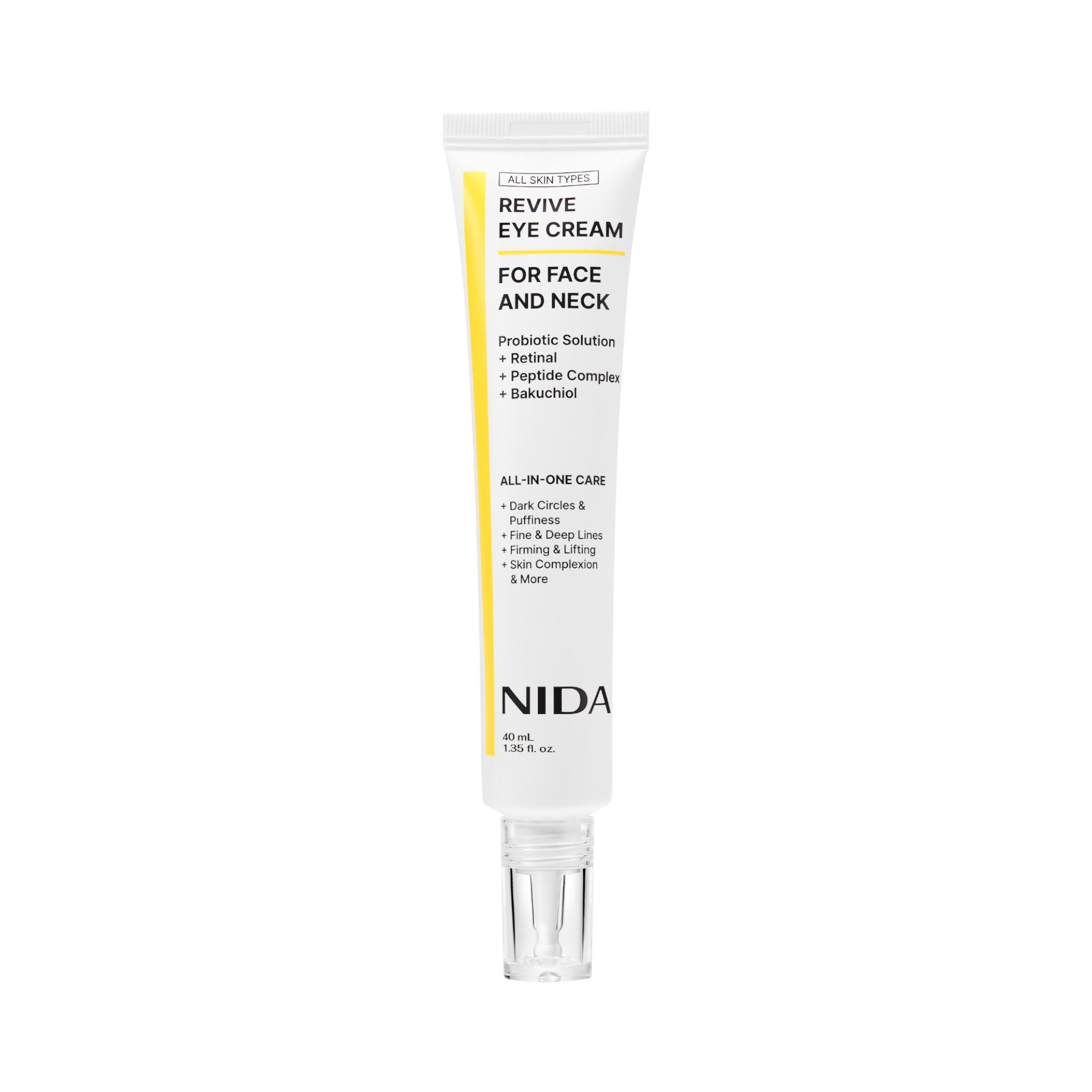
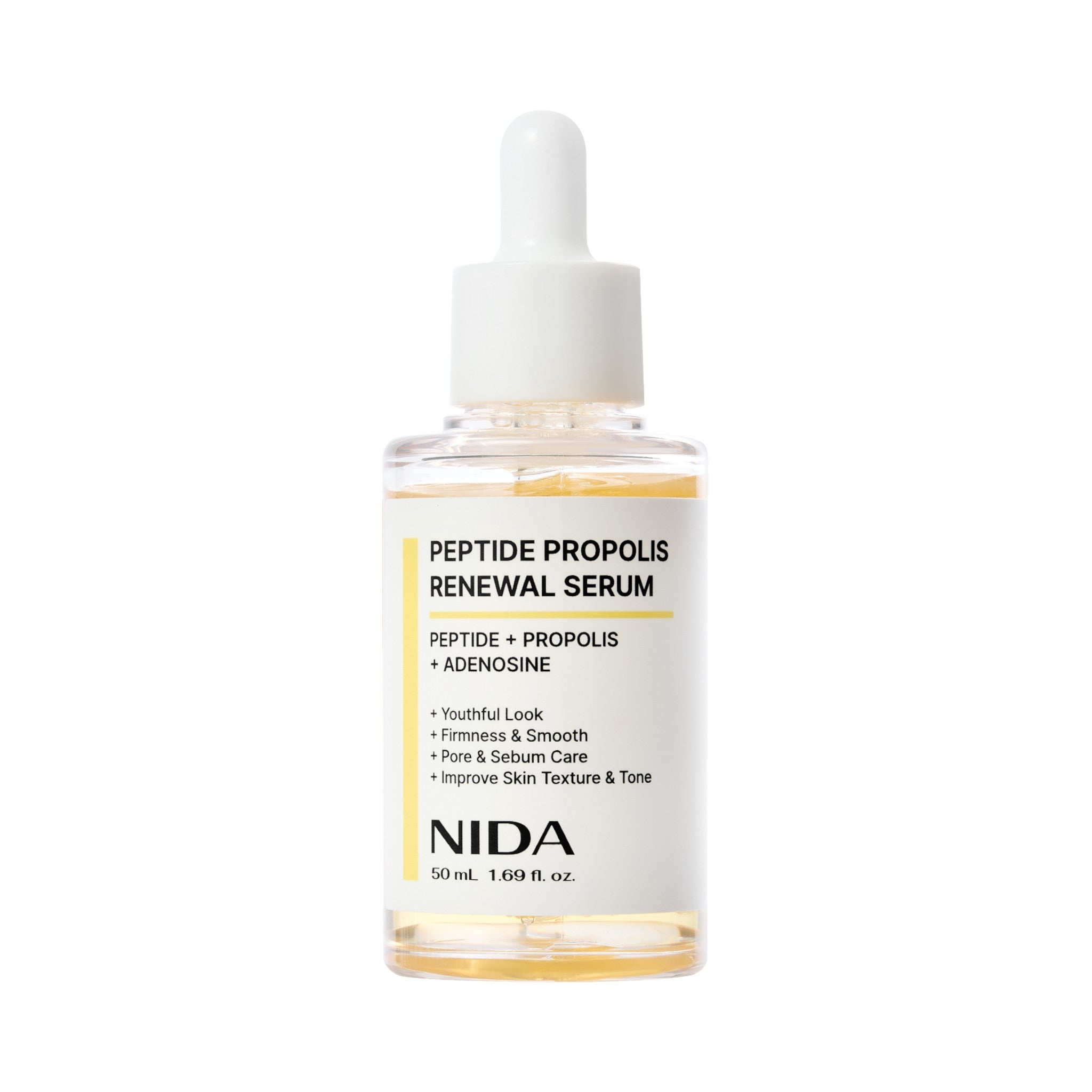
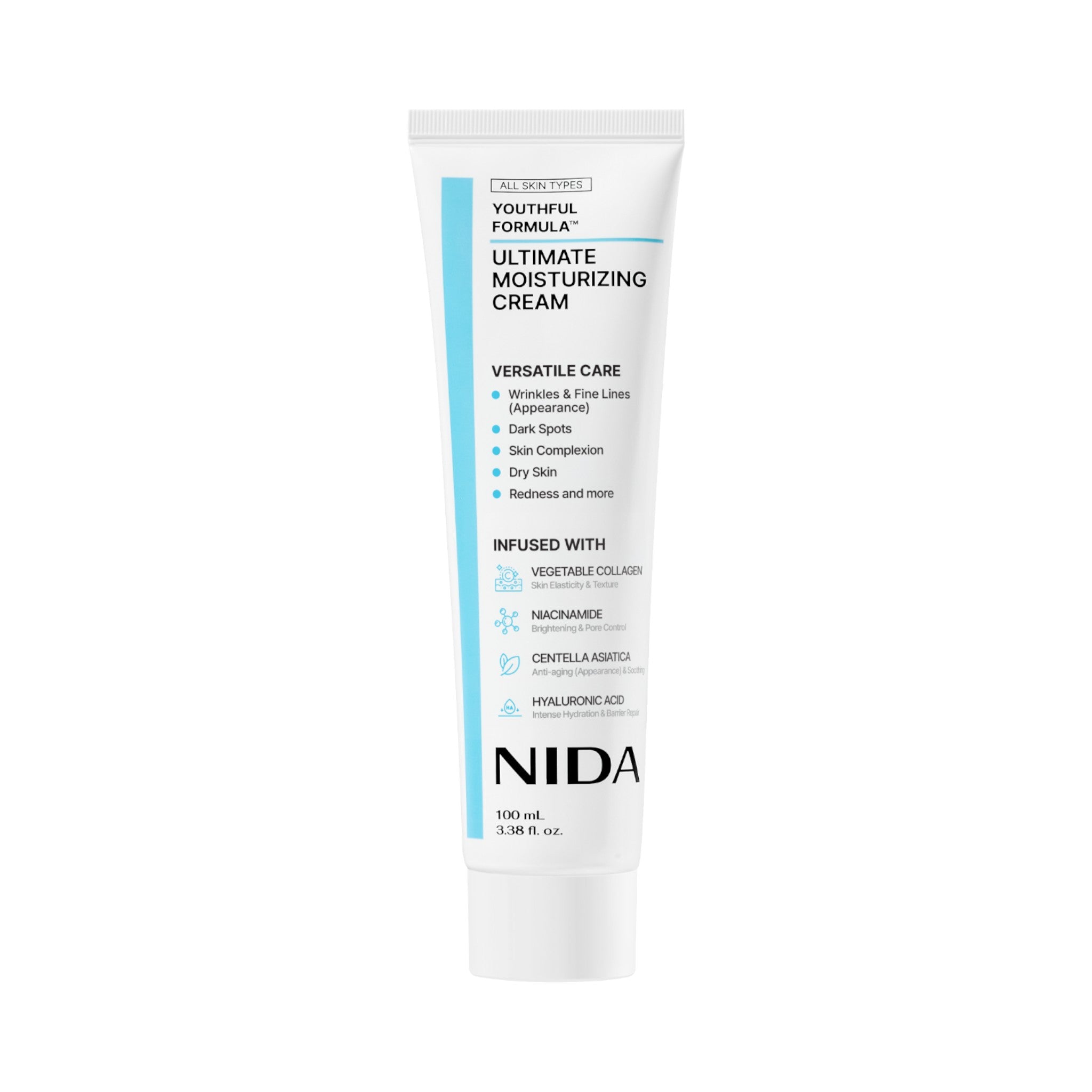
If you would like to try retinal, the NIDA Youthful Formula™ range offers several formulas in which retinal is combined with hydrating and skin-nourishing ingredients.
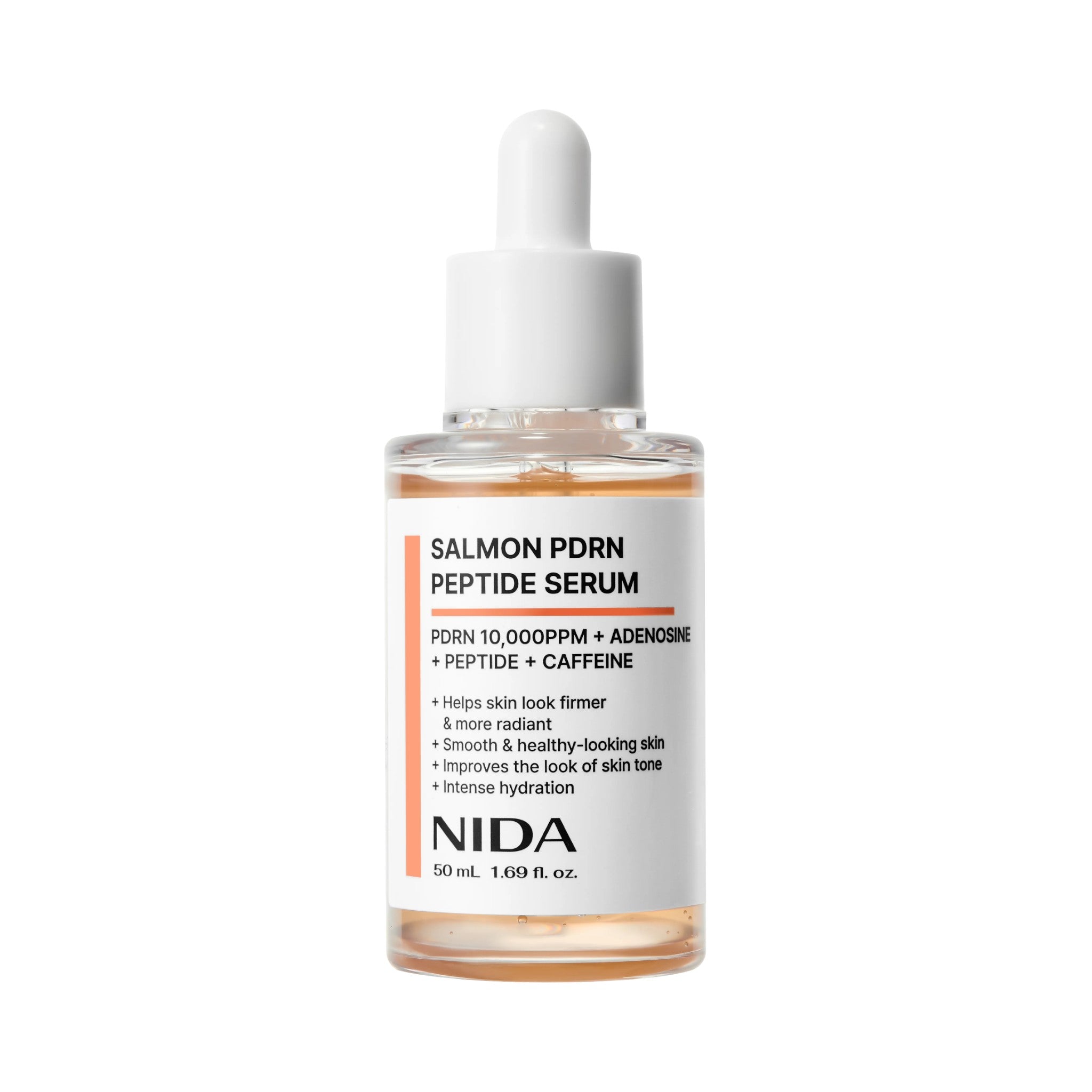
The NIDA Youthful Formula™ Yam Mucin ABCE Boosting Serum contains, among other ingredients, niacinamide, panthenol, a vitamin C derivative, and vitamin E in addition to retinal.
The NIDA Youthful Formula™ Yam Mucin ABCE Facial Cream also contains retinal and is enriched with, among other ingredients, wild yam root extract, panthenol, niacinamide, and vitamin C and E derivatives.
When using the products, always follow the directions for use on the product’s packaging.
A simple retinal routine for beginners
If you would like to get started now, you do not need to create a complicated Korean skincare routine.
Morning
Gentle cleanser → moisturizing serum → moisturizer → SPF 50
On an evening with retinal
Cleanser → retinal → moisturizer
On an evening without retinal
Cleanser → moisturizing/soothing serum → moisturizer
After that, you can gradually adapt your routine to your skin’s needs.
5 common mistakes to avoid as a retinal beginner
1. Using it too frequently
You do not need to apply retinal every night right away.
2. Using too many products at once
If you introduce five new active products at once, it will be difficult to determine which one is causing irritation.
3. Skipping moisturizer
Maintaining your skin’s comfort is especially important in a retinal routine.
4. Neglecting sun protection
Consistent daytime sun protection is one of the most important elements of an anti-aging routine.
5. Expecting results too quickly
Retinal is part of a long-term routine. Give your skin time, and do not switch to a new product every week.
Retinal for beginners - the most important rules
If you are just starting to use retinal, here are five things worth remembering:
Start slowly. Twice a week can be a good starting point.
Use the appropriate amount. More does not mean faster results.
Moisturize. Supporting your skin’s comfort and barrier is also important when using retinal.
Do not layer too many active ingredients. Especially during the first few weeks, keep your routine simple.
Use sunscreen every morning. Proper UV protection is one of the most important parts of an anti-aging routine.
Retinal is therefore not an active ingredient that should be used according to the principle of “the stronger, the better.” The key to a successful retinal routine is gradual introduction, consistency, and paying attention to your skin’s signals.
And if you would like to learn how retinal can be incorporated into a complete Korean skincare routine, it is worth getting to know NIDA products and the active ingredients that can be paired with them.