Hyperpigmentation and uneven skin tone are challenging skincare concerns for many people. Brown spots that appear due to sun exposure, discoloration left behind after acne, or a dull, uneven complexion are all issues that may make it worth reconsidering your facial skincare routine.
Retinol is one of the best-known active ingredients used to support skin renewal and reduce visible signs of aging. But can it also help with hyperpigmentation? What results can you expect from it, and how should you incorporate it into your routine if you want a more even skin tone?
In this article, we explain what you should know about the relationship between retinol and hyperpigmentation, and what to keep in mind if you choose this active ingredient.
What causes hyperpigmentation?
Hyperpigmentation is associated with an uneven distribution or increased production of melanin, which gives the skin its color. Different types of discoloration can develop, so it is important to understand that not every type of hyperpigmentation responds in the same way to cosmetic active ingredients.
The most common causes include:
- Sunlight: UV radiation can contribute to the development of sunspots and the darkening of existing hyperpigmentation.
- Post-acne marks: brownish or reddish discoloration may remain on the skin following inflammation.
- Hormonal changes: in some cases, melasma may develop, a type of patchy hyperpigmentation that typically appears on the face.
- Skin irritation: inflammation and irritation can also contribute to the development or worsening of hyperpigmentation.
When choosing the right skincare, it is therefore worth considering not only the color of the spots but also their cause and the skin's current condition.
Can retinol help with hyperpigmentation?
Retinol is a cosmetic form of vitamin A that reaches active retinoic acid in the skin through several conversion steps. Retinoids have long been studied in connection with skin renewal, photoaging, and uneven skin tone.
With the right formula and regular, well-tolerated use, retinol may help improve the skin's surface and tone. In the case of certain types of discoloration, it may also support gradual fading, but the result depends on the type of hyperpigmentation, the product's formulation, and the conditions of use.
However, it is important to note that retinol is not a solution for every dark spot. Treating deeper or hormonally caused pigmentation can be more complex and may require dermatological assistance.
Retinol for spots left after acne
The brownish spots left after acne are called post-inflammatory hyperpigmentation. Both inflammation and increased pigment production may contribute to their development.
In some cases, retinol can help even out skin tone, while certain forms of retinoids may also play a role in treating problems involving the formation of comedones.
However, if your skin is still inflamed, sensitive, or damaged, it is not advisable to immediately experiment with potent active ingredients. Using them too often can cause irritation, which may further worsen the appearance of discoloration.
Retinol for sun spots and uneven skin tone
Sun protection is essential when treating dark spots caused by sun exposure. Retinol can help improve uneven skin texture and tone, but it does not replace protection from the sun.
If you use retinol in your routine, morning sun protection is especially important. Without it, UV radiation may further worsen pigmentation, and achieving the desired result may also become more difficult.
If a spot appears newly, changes in size or color, becomes irregular, or bleeds, do not try to address it with a cosmetic treatment: seek a dermatological examination.
How should you use retinol if you want to fade dark spots?
When using retinol, gradual introduction is more important than choosing the highest possible concentration. An overly intense routine does not necessarily produce better results, but it can increase the risk of irritation.
1. Introduce it gradually
If you have not used retinol before, initially try it once or twice a week, following the product's instructions for use. If your skin tolerates it well, you can gradually increase the frequency later.
2. Keep your evening routine simple
A basic routine may consist of a gentle facial cleanser, a retinol-containing product, and a moisturizer. Initially, do not introduce several new, potent active ingredients at once.
3. Pay attention to hydration
Retinol can cause dryness, flaking, and irritation. A suitable moisturizer can help maintain skin comfort and support the skin barrier.
4. Use sunscreen every morning
Choose a broad-spectrum sunscreen with at least SPF 30, and make sure to reapply it as well. For dark spots, this is not an optional step but one of the most important parts of the routine.
5. Be patient
Changes in skin tone generally do not happen overnight. Achieving results may take several weeks or even months, depending on the type of spot and your skin's reaction.
If you experience intense redness, a burning sensation, or significant peeling, stop using it and seek professional advice.
Which active ingredients can you add to your retinol routine?
When caring for dark spots, you do not necessarily need to look for a single active ingredient for every concern. Often, a thoughtful, simple routine and the right combination of ingredients can be helpful.
Niacinamide
Niacinamide supports the skin barrier and can help improve the appearance of uneven skin tone. It can be incorporated well into many skincare routines, including alongside retinol.
Vitamin C
Vitamin C is an antioxidant ingredient often used to care for dull-looking skin and uneven tone. It can be used in a morning routine, while retinol can be part of an evening routine. As a beginner, it is worth using them at separate times so you can more easily observe your skin's reaction.
Azelaic acid
Azelaic acid is also used in the care of blemish-prone skin and pigmentation. When using it alongside retinol, however, it is important to pay attention to your skin's tolerance, and it is not necessary to use both active ingredients on the same evening right away.
Hydrating ingredients
Glycerin, hyaluronic acid and other hydrating ingredients can help reduce the feeling of dryness. When using retinol, it can be particularly helpful if your routine also supports your skin's comfort.
More active ingredients do not automatically mean better results. If you are just starting to use retinol, first build a simple routine, and only introduce additional active ingredients later.
Which retinol product should you choose?
When choosing the right product, consider your skin's sensitivity, your previous experience, and the complete formula. Do not decide based solely on the concentration: a well-tolerated product may be more practical in the long term than a formula that causes irritation.
If you are just becoming familiar with vitamin A derivatives, it is worth first understanding the basics of using retinol, then looking for a product that suits your own routine.
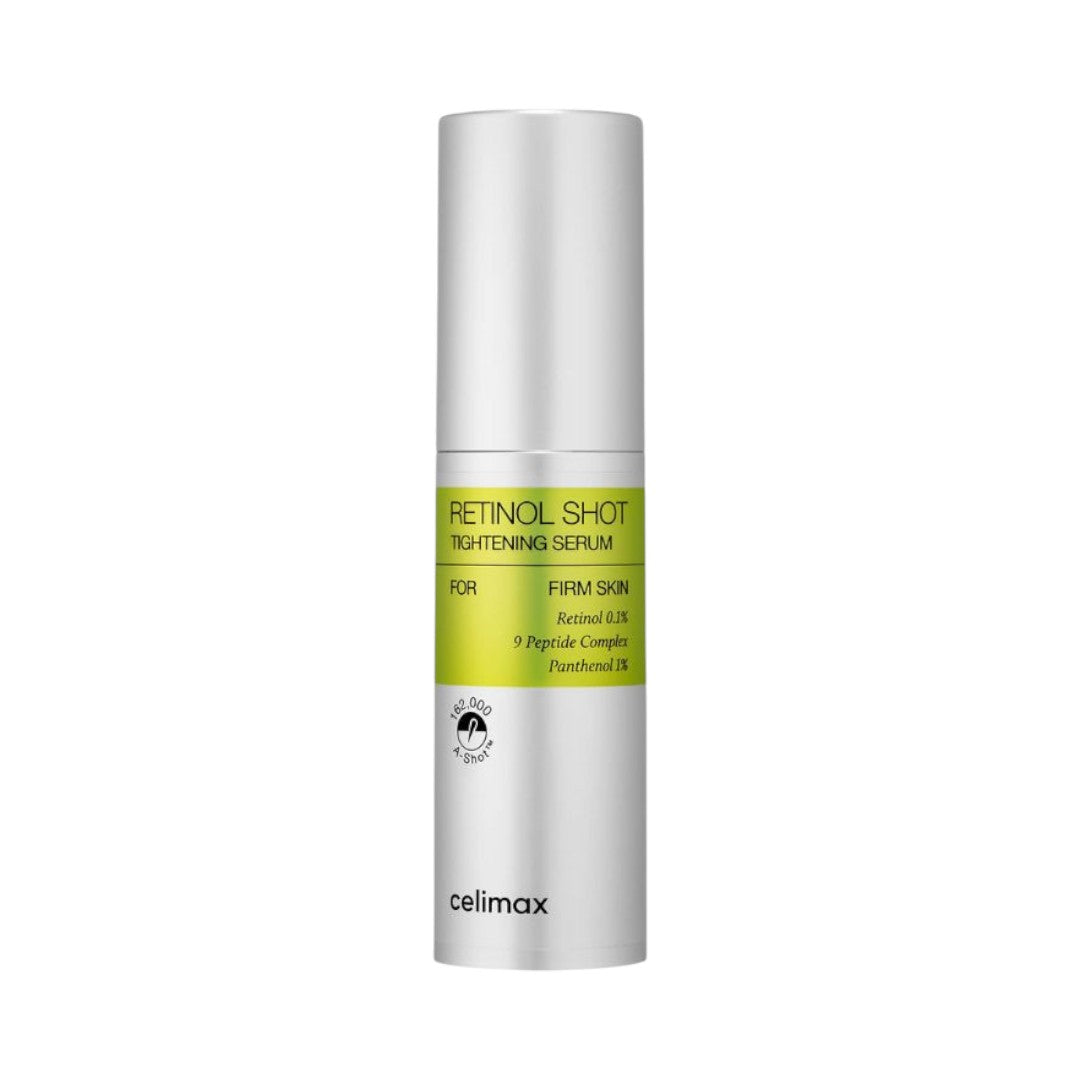
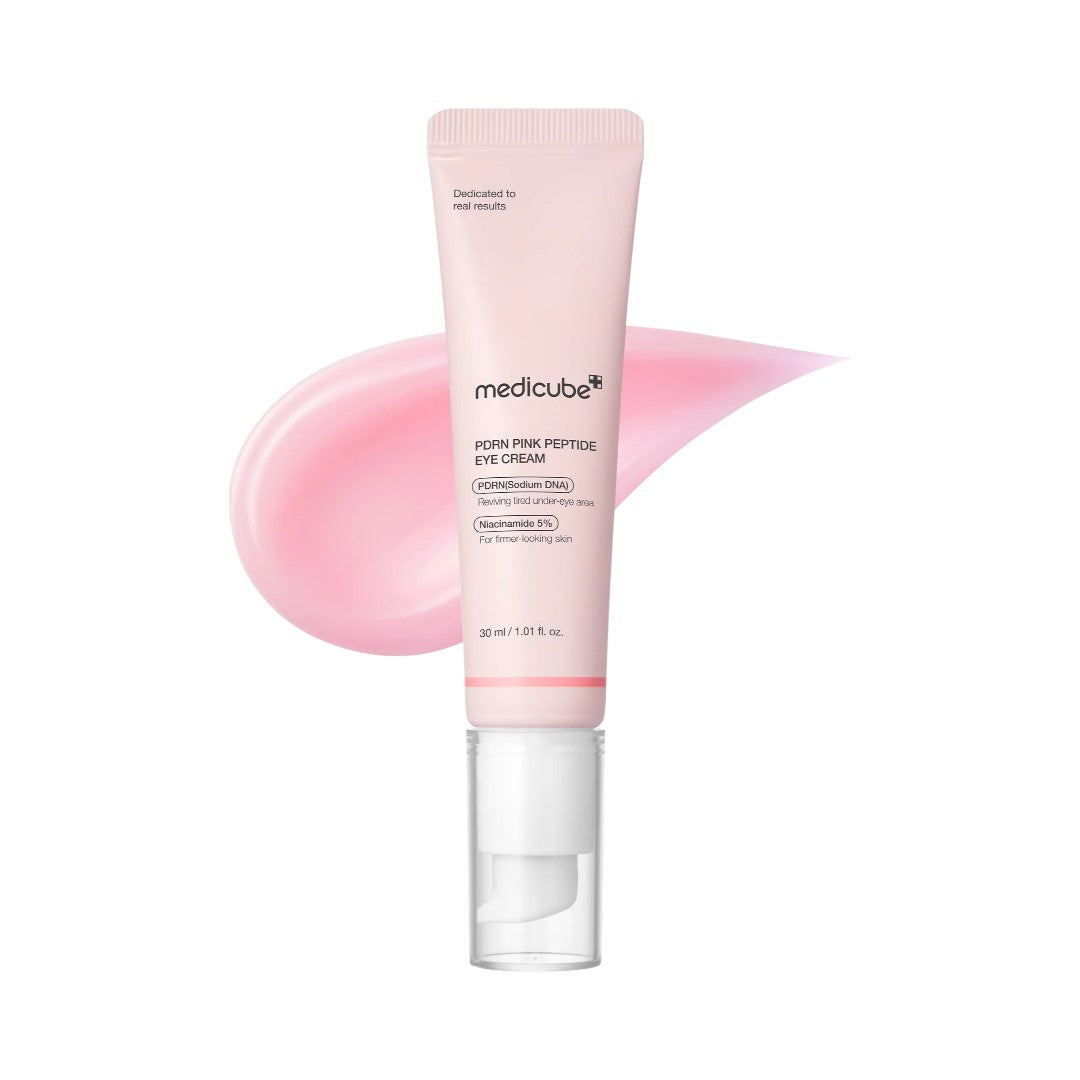
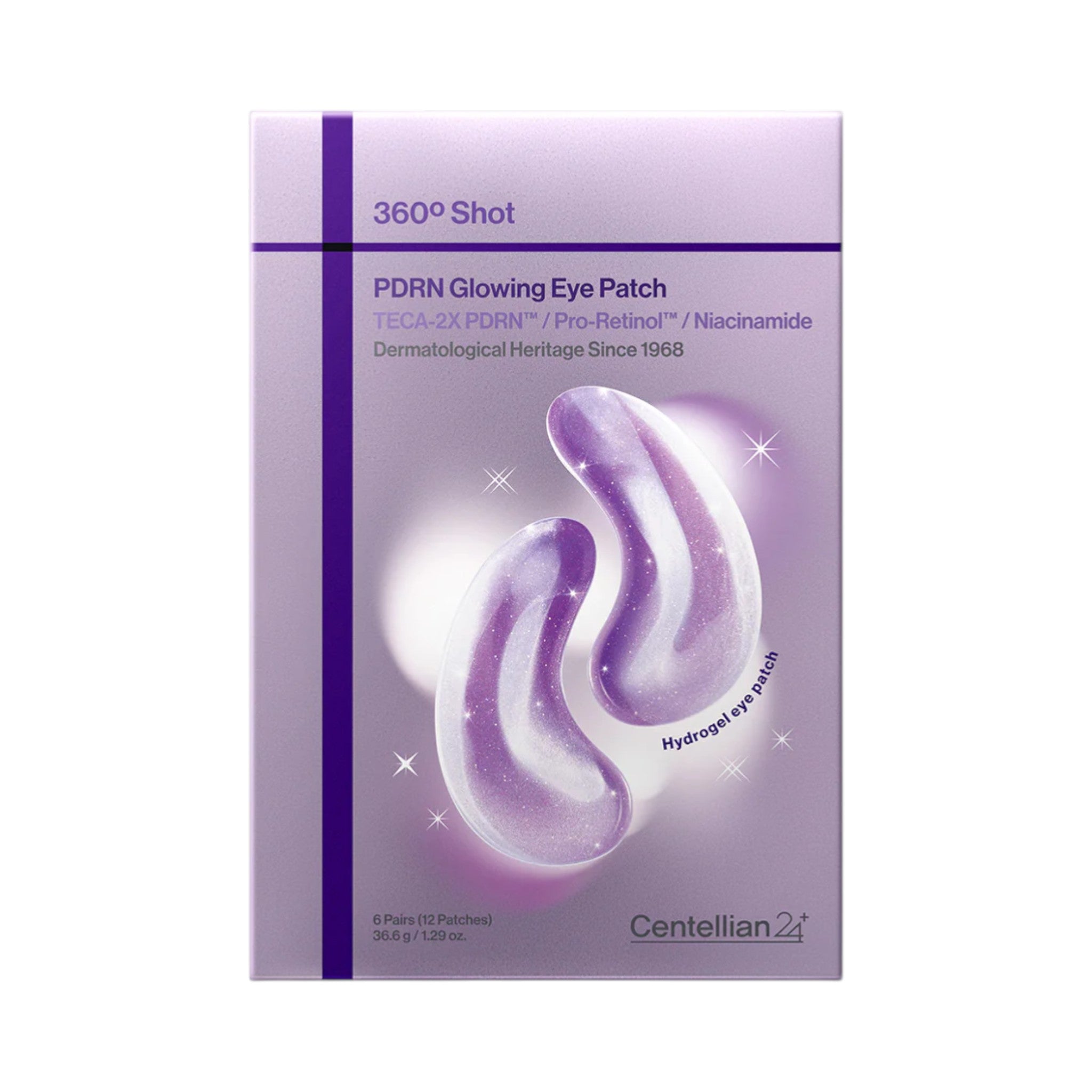
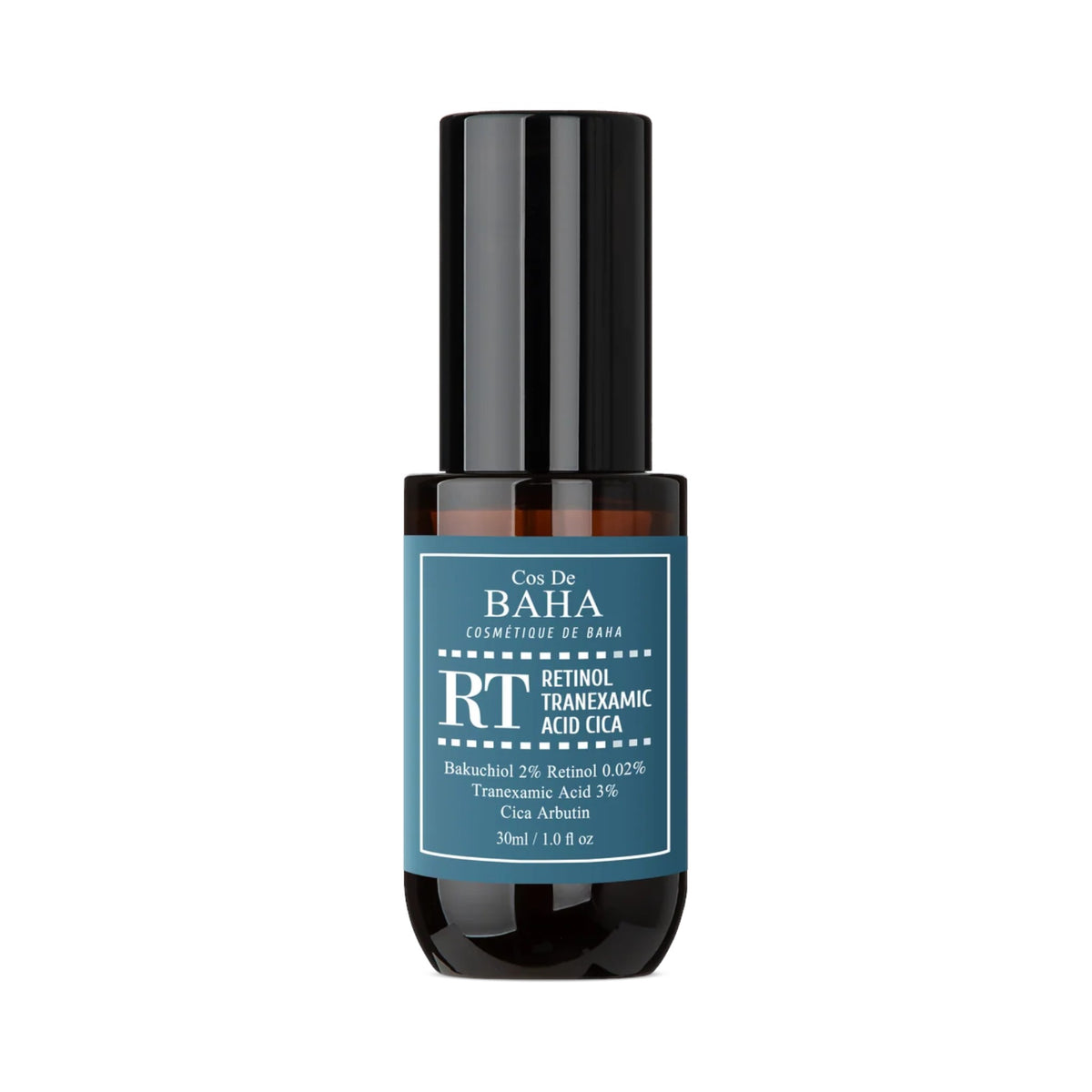
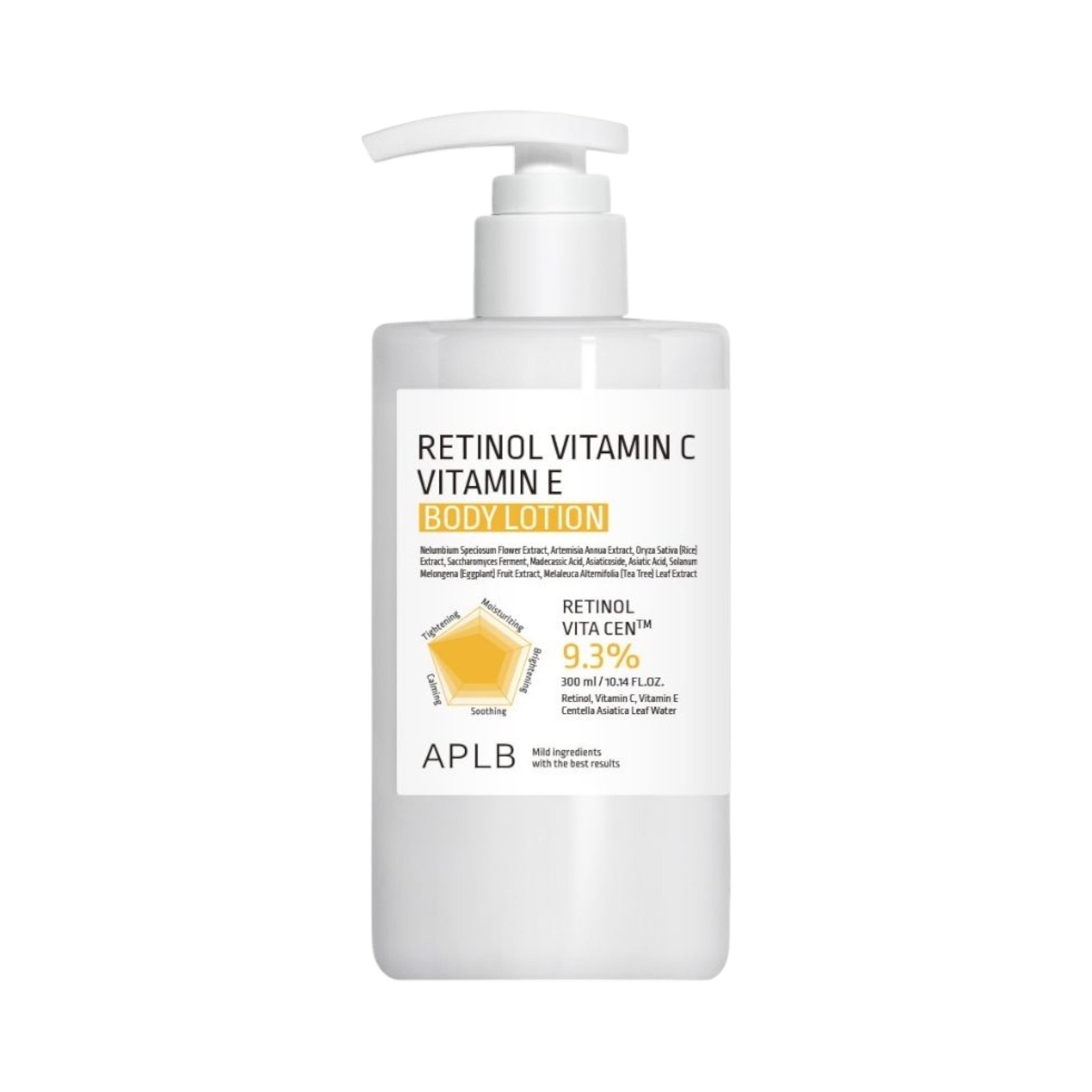
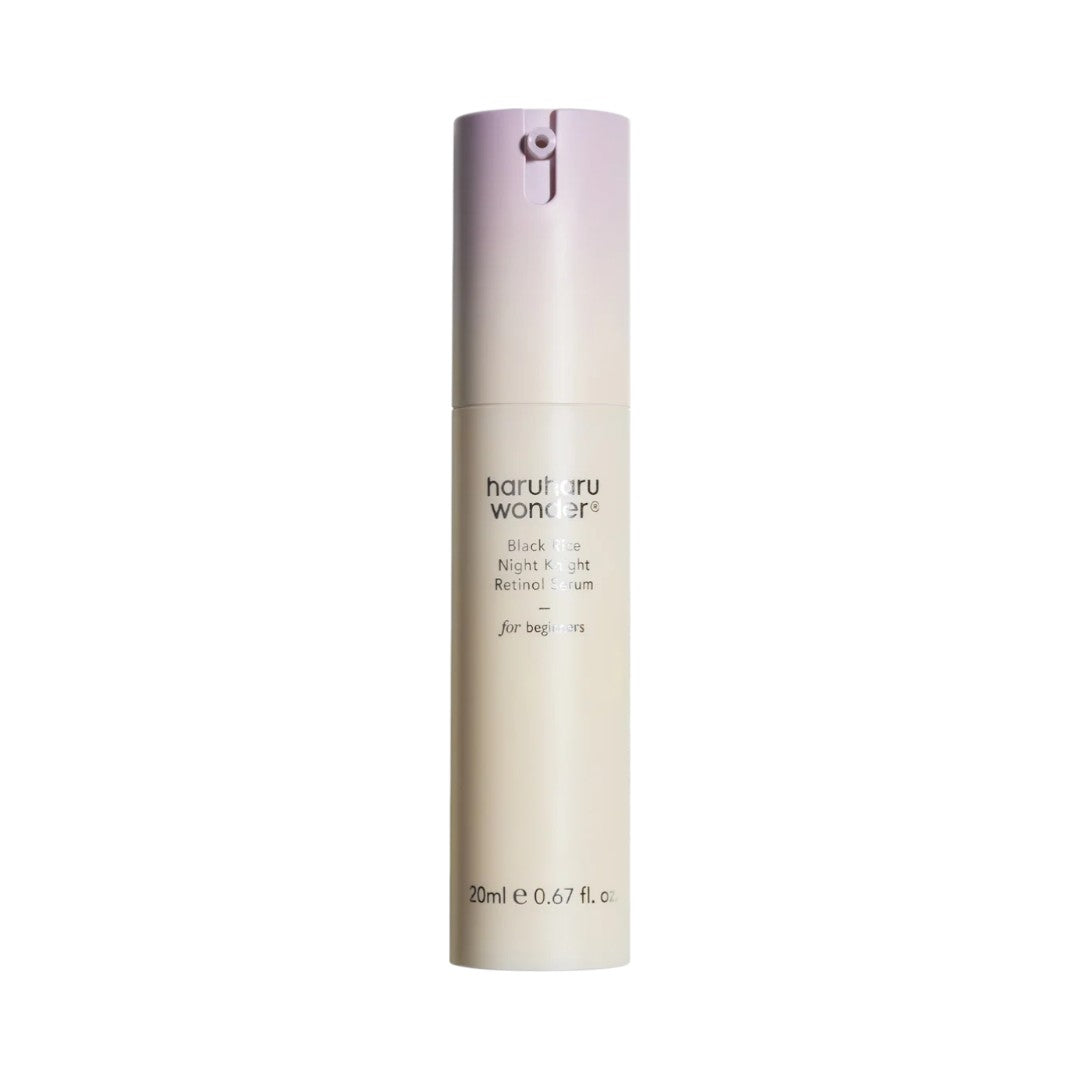
In the Korean retinol serums and creams category, you can choose from a variety of formulas. When selecting a product, also read the ingredient list, directions for use, and the manufacturer’s recommendations.
If you need more detailed help, read our guide Retinol serum: how to choose and use it?.
Frequently asked questions about retinol and hyperpigmentation
How long does retinol take to fade hyperpigmentation?
The results depend on the type of hyperpigmentation, the product’s composition, and your skin’s tolerance. It may take several weeks or months, and not every spot responds in the same way. If the discoloration does not improve or worsens, it is advisable to consult a dermatologist.
Is retinol effective for all types of hyperpigmentation?
No. Retinol may help improve the appearance of certain types of uneven pigmentation, but melasma, deeper pigmentation, and other skin conditions may require a different approach.
Can retinol be used on sensitive skin?
Extra caution is needed if you have sensitive skin. If your skin is irritated or damaged, restore its comfort first. If you introduce retinol, start with a low frequency and monitor your skin’s reaction.
Can sunscreen help prevent hyperpigmentation?
Yes. Adequate sun protection can help prevent the worsening of UV-related hyperpigmentation. Broad-spectrum sunscreen with at least SPF 30 is an important part of a routine targeting hyperpigmentation.
Can retinol be used during pregnancy?
Retinoids, including retinol, are best avoided during pregnancy. If you are pregnant or planning to become pregnant, consult a doctor about the skincare products you use.
Summary: Is it worth choosing retinol for hyperpigmentation?
Retinol can be a useful part of a skincare routine aimed at improving skin texture and uneven skin tone. However, its effectiveness depends on the type of hyperpigmentation, the product’s formula, and how well your skin tolerates it.
The most important thing is to introduce it gradually, ensure adequate hydration, and use sunscreen every morning.
If you want to find a product that suits your routine, take a look at K-Beauty For You’s Korean retinol serums and creams, and choose a formula that meets your skin’s needs.