If you look at the ingredient list (INCI) of your favorite winter body lotion or richer face cream, you will likely find this name among the first: Butyrospermum Parkii Butter, also known as shea butter.
This ingredient has been a "heavy hitter" in skincare for decades. Many swear by it as a miracle cure for dryness, while others avoid it, saying it is "too heavy."
What’s the truth? Does this creamy plant butter really benefit everyone?
Today, we take a closer look at this African treasure. We’ll explore which vitamins it contains, how it builds the skin barrier, and help you decide whether your skin type will love it or if it’s better to keep your distance. 👇
What is shea butter, and where does it come from? 🌍
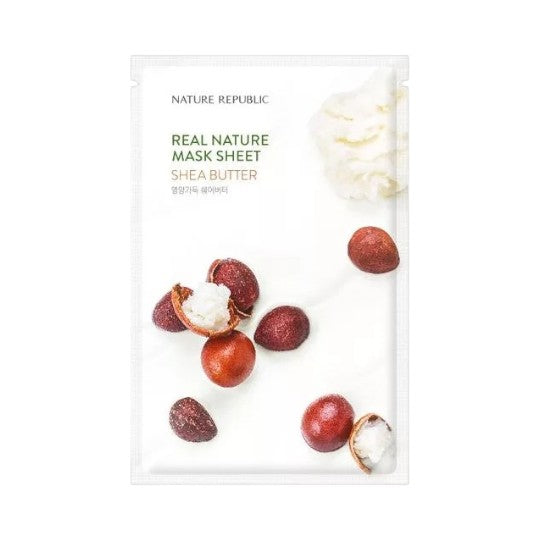
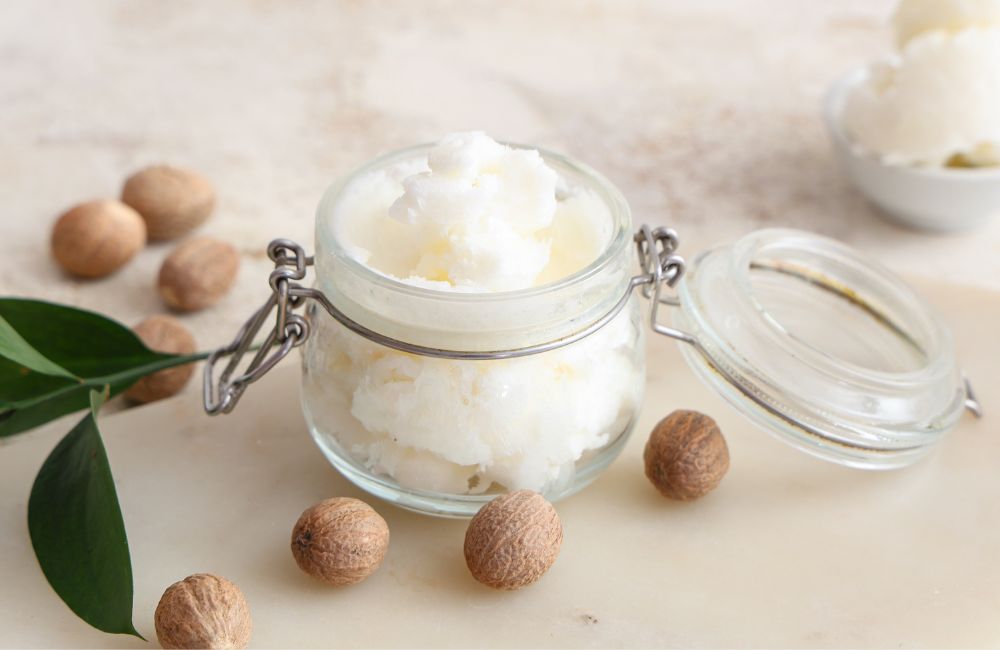
Shea butter is a plant fat extracted from the nuts of the karité tree (shea tree), native to Central Africa. It’s no coincidence that it’s called "women’s gold" there: it has been used for centuries to protect the skin from harsh sun and wind.
What makes it special is its texture: solid at room temperature, but it melts immediately with body heat, forming a silky, nourishing layer on the skin.
What makes it effective? The active ingredients in shea butter 🧬
It’s not just "fat." Shea butter is so popular in the cosmetic industry because it’s packed with bioactive compounds that nourish the skin:
- Fatty acids: Rich in stearic acid and oleic acid. These lipids closely resemble our skin’s own sebum, allowing them to deeply nourish and soften (emollient effect).
-
Vitamins:
- Vitamin E: A strong antioxidant that protects the skin from environmental stress and supports healing.
- Vitamin A: Supports cell renewal (though not as strong as retinol, it aids the process).
- Anti-inflammatories: Contains compounds (e.g., cinnamic acid esters) that soothe irritated, red skin.
How does it work on the skin? 🛡️
The most important function of shea butter is called occlusion. When applied, it forms a physical protective layer on the skin’s surface.
- Why is this good? Because it prevents water loss. No matter how much water you add to your skin with toners, it won’t stay if there’s nothing to lock it in. Shea butter seals in moisture and "plugs" cracks in the damaged skin barrier.
Refined vs. unrefined: Which is better? 🧐
You often see the terms "raw" (unrefined) and "refined."
- Unrefined (raw): Yellowish in color, with a distinctive, slightly smoky/nutty scent. Contains more vitamins but the smell can be off-putting to some, and it’s less stable (spoils faster).
- Refined: White and odorless. Processing reduces some vitamin content, but the moisturizing effect (due to the fatty acids) remains.
- Which should you choose? Korean cosmetics almost always use the purified, refined version. It’s more stable, has a smoother texture, doesn’t irritate with scent, and perfectly supports the barrier-strengthening effect.
The verdict: Who should use it, and who shouldn’t? ✅❌
This decides whether it will be a friend or foe in your routine.
✅ Shea butter is your best friend if:
- You have dry, dehydrated skin: This skin type loves rich textures.
- Your barrier is damaged: If your skin feels tight, cracked, or you’ve over-exfoliated.
- You are prone to eczema: The soothing and protective effects of shea butter are invaluable on eczema patches.
- Winter skincare: Everyone benefits from extra protection in the cold.
❌ Be cautious (or avoid) if:
- You have oily, acne-prone skin: Although shea butter has a low comedogenic rating (0-2), its thick, oily texture can trap bacteria and heat under the skin, potentially causing more breakouts.
- You have fungal acne (Malassezia folliculitis): The fatty acids in shea butter can feed Malassezia yeast, worsening the condition.
Korean favorite with shea butter: Beauty of Joseon Dynasty Cream 🏺
Koreans are masters at making heavy ingredients feel light.
Beauty of Joseon Dynasty Cream is a perfect example. In this cream, shea butter doesn’t "sit" heavily on the face but is combined with Hanbang ingredients (rice extract, ginseng, honey) and squalane.
- The result: A cream that deeply nourishes and strengthens the skin barrier without leaving a suffocating, greasy feeling. An ideal choice if you want to enjoy the benefits of shea butter in a modern formula.
Summary: Ready for winter!
Shea butter is a wonderful, natural skincare ingredient capable of restoring even the driest skin. The vitamin E and fatty acids it contains provide protection. If you have dry or normal skin, confidently include it in your winter routine! If your skin is oily, use it mainly on your body or lips.
Do you use shea butter creams?